Aintree Betting Guide: Grand National Festival 2026
 Available in US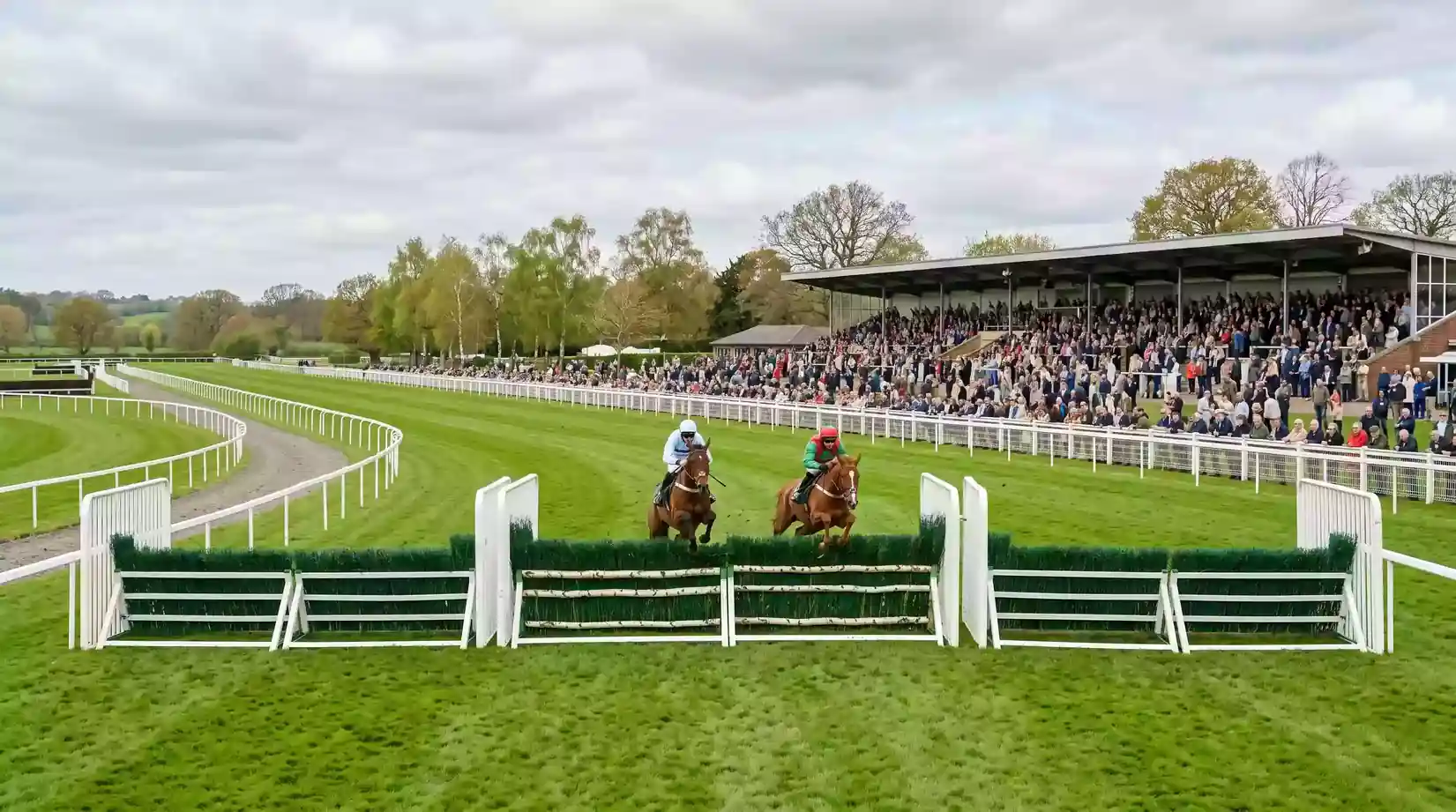
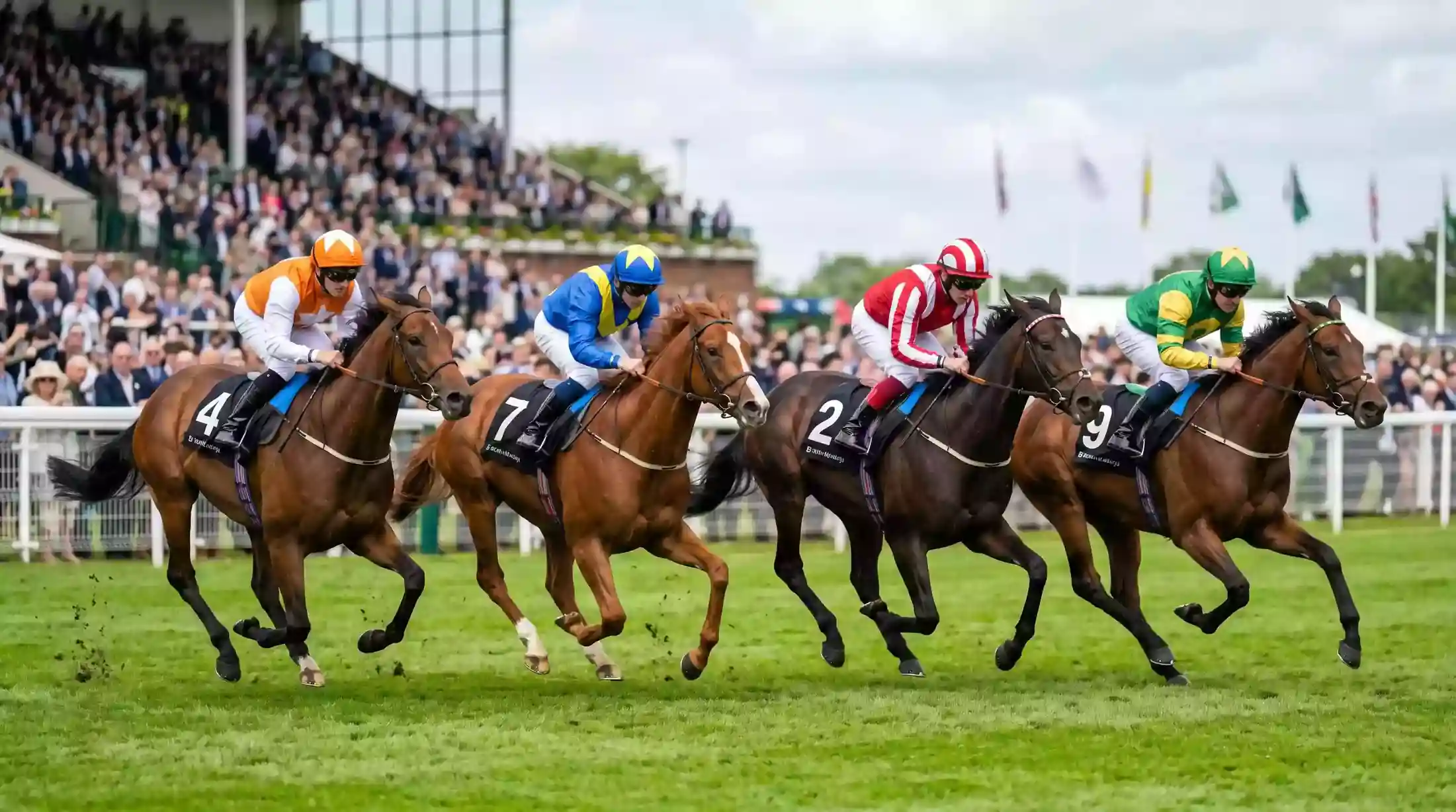
The approach to Aintree on Grand National morning has a specific electricity. Crowds streaming toward the course, excited conversations about fancies, everyone carrying the same anticipation. I’ve made that walk a dozen times now, and the feeling never diminishes. Three days of top-class jump racing culminating in the world’s most famous steeplechase — it’s worth planning for.
Grainne Hurst of the Betting and Gaming Council noted that for the fourth consecutive year, Levy contributions reached record levels — demonstrating the long-term investment regulated betting provides to British horseracing. Aintree’s Grand National Festival drives significant contribution to that figure, attracting betting volume matched only by Cheltenham.
Aintree Festival: Three Days of Action
The Grand National dominates attention, but the Festival offers twenty-plus races across three days. Smart punters find value throughout rather than concentrating everything on Saturday’s main event.
Thursday — Liverpool’s Day — features the Sefton Novices’ Hurdle and the Aintree Hurdle, which often attracts Champion Hurdle runners seeking an alternative target. The Manifesto Novices’ Chase provides the first proper test over Aintree’s unique fences, revealing which horses handle the course.
Friday centres on the Topham Chase over the National fences, but at a shorter trip. This race often produces National clues — horses who jump the unique obstacles well here merit respect on Saturday. The Mildmay Novices’ Chase tests staying novices, frequently identifying future Gold Cup types.
Saturday builds toward the Grand National across an afternoon of supporting races. The Mersey Novices’ Hurdle offers championship-quality hurdling; the Maghull Novices’ Chase provides final clues about course specialists. Then the main event: forty runners, four miles two furlongs, thirty fences, and the most watched horse race on earth.
Best Aintree Betting Offers
Bookmaker competition intensifies for the National Festival. The betting volume and media attention justify aggressive promotional spending, which punters can capture by preparing properly.
Extra places on the Grand National represent the flagship offer. Standard terms pay four places; promotional terms often extend to seven or eight. Given the large field and chaotic nature of the race, those extra places significantly improve each-way prospects. Checking which bookmaker offers most places on the National is essential pre-race preparation.
Non-Runner No Bet applies to Grand National ante-post betting with most major operators, often extending until close to declarations. Given the months of market formation and the National’s notorious attrition of entries, NRNB removes significant risk from early positions.
Enhanced odds and money-back specials proliferate throughout the Festival. New customer offers target the enlarged audience; existing customer promotions reward loyalty during peak periods. The cumulative value available across three days often exceeds any other racing week except Cheltenham.
Best Odds Guaranteed covers all Festival racing, ensuring morning prices are protected against favourable SP movements. In the volatile National market where late information often moves prices significantly, BOG provides valuable protection.
Aintree Betting Strategy
Ante-post timing requires balancing value against non-runner risk. National prices shorten substantially from initial markets to race day; taking positions in autumn or winter captures that value but extends exposure to setbacks. NRNB mitigates this, though at slightly shorter prices than standard terms.
Course form over Aintree’s unique fences matters more than at almost any other track. The spruce fences differ from standard chase obstacles; some horses take to them naturally while others struggle regardless of chasing ability shown elsewhere. Previous placed efforts at the course carry significant weight.
Weight distributions in the National merit close study. Topweights must carry substantial burdens over four miles; history shows horses carrying less than 11st perform disproportionately well. But light weights also indicate horses rated in the 140s rather than 160s — they’re carrying less because they’re rated lower. Balancing weight advantage against ability is central to National analysis.
Trainer records at the Festival reveal who targets the meeting specifically. Some yards consistently produce Aintree specialists; their runners deserve respect regardless of apparent form deficits. Others rarely fire at the course despite sending large numbers. Studying historical trainer performance guides where to focus attention.
Irish raiders often outperform expectations at Aintree, particularly in the National itself. The Irish approach to preparing horses for marathon chases sometimes produces peak performances at Aintree when UK form appears moderate. Don’t dismiss unfamiliar Irish names without studying their form in context.
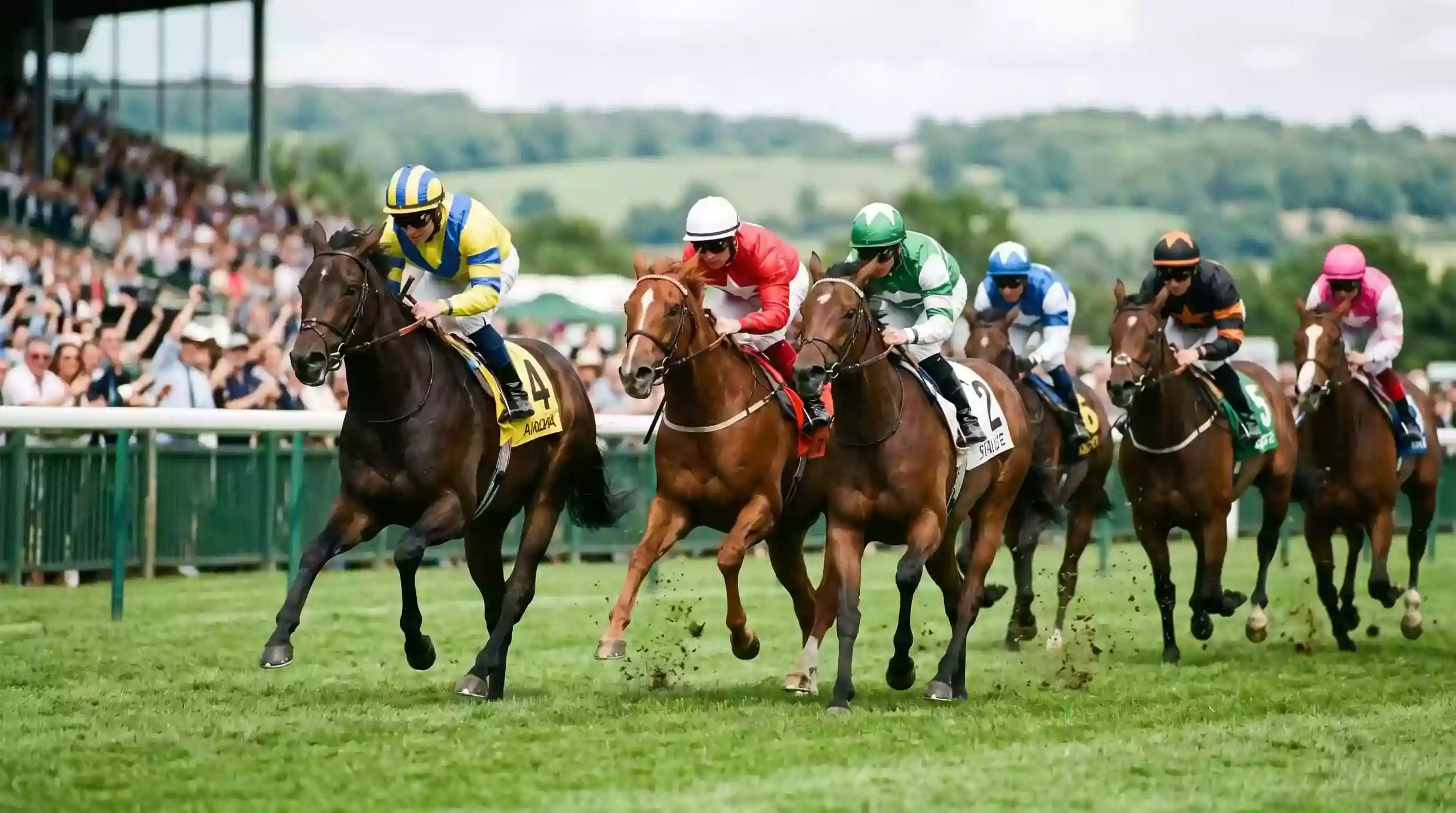
Each-way betting suits all three Festival days but particularly the National. The extreme attrition rate — often only half the field completes — means place positions are frequently claimed by horses who wouldn’t normally feature. Outsiders running into places at massive odds are Festival staples.
Use the supporting races to assess conditions. How is the ground riding? Which running styles are succeeding? Are the fences causing problems or jumping smoothly? Thursday and Friday’s racing provides live intelligence about how horses are handling the unique Aintree demands — intelligence that refines Saturday selections.
Ready for Aintree
The Grand National Festival rewards preparation across months rather than last-minute scrambling. Punters who identify National candidates in autumn, track their form through winter, and refine views as the Festival approaches hold advantages over those who check odds on Saturday morning.
Use Thursday and Friday to assess course conditions and how they’re affecting results. Soft ground favours certain National types; quick ground others. The supporting races provide live information about how the track is riding — intelligence that refines Saturday analysis.
The bookmaker selection for the National itself deserves particular attention. Extra place offers vary significantly; the difference between six and eight places meaningfully affects each-way value. Position yourself with accounts at multiple operators so you can access the best terms when they’re announced.
Bankroll management for the Festival requires discipline. Three days of quality racing with multiple betting opportunities per afternoon can deplete betting banks when enthusiasm overrides judgment. Set daily limits before Thursday’s first race; maintain those limits regardless of results.
Record-keeping during festival weeks often lapses amid the excitement. Force yourself to track bets in real-time rather than reconstructing later. Accurate records reveal whether your Festival approach succeeds or requires adjustment for next year.
Aintree offers something unique in racing: a festival building toward a single race that transcends the sport. The Grand National reaches audiences who never otherwise watch racing. Being prepared for that moment — with value-oriented selections, appropriate stakes, and promotional advantages captured — lets you enjoy the spectacle while giving yourself the best chance of collecting.
Aintree Questions
When is Aintree Festival 2026?
The Grand National Festival runs Thursday through Saturday in early April, approximately three weeks after Cheltenham. The Grand National itself is always the Saturday highlight. Exact dates are published by Aintree Racecourse months in advance.
Which races have the most betting interest at Aintree?
The Grand National dominates by volume, but the Topham Chase on Friday attracts significant each-way interest due to its National fence format. The Aintree Hurdle on Thursday draws punters wanting high-class hurdling action before the chasing focus takes over.
Published by the bet for Horse Racing team.