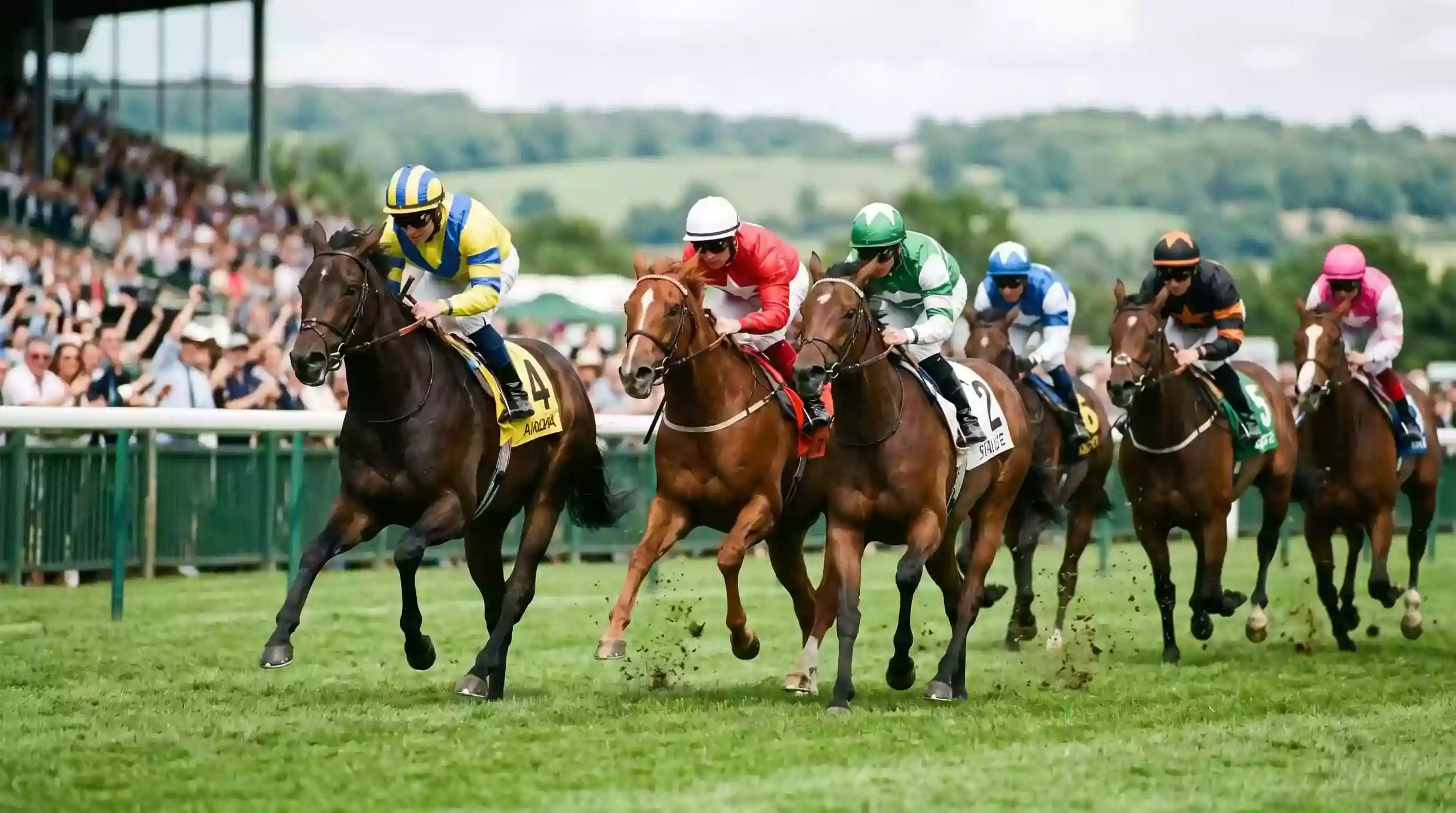
UK Racing Fixtures Calendar: Planning Your Betting Year
 Available in US
Every November, I sit down with next year’s racing calendar and mark the fixtures I won’t miss. Some are obvious — Cheltenham, Aintree, Royal Ascot — but others fly under most punters’ radar despite offering excellent betting opportunities. Knowing the landscape ahead means you can prepare properly rather than scrambling when important meetings arrive.
UK racecourse attendance crossed 5 million recently for the first time since 2019, demonstrating sustained appetite for live racing despite changing entertainment options. That audience distributes across a packed calendar of flat and jump racing that runs year-round, peaking at major festivals but offering betting opportunities every week.
Flat Season: March to November
British flat racing traditionally runs from turf season’s start in late March through Champions Day at Ascot in October, though all-weather racing continues year-round. The season builds through a series of established peaks.
The Guineas meeting at Newmarket in early May launches Classic season. The 2000 Guineas and 1000 Guineas identify the best three-year-old milers, setting up Derby and Oaks considerations. Ante-post markets for later Classics shift dramatically based on Guineas results.
The Derby Festival at Epsom dominates the first weekend of June. The Derby and Oaks represent the highest profile of the five British Classics, attracting mainstream attention beyond regular racing audiences. Bookmaker promotions intensify accordingly.
Royal Ascot in mid-June offers five days of top-class flat racing with more Group 1 contests than any other British meeting. Daily television coverage, corporate hospitality, and royal pageantry create an atmosphere unmatched elsewhere. Betting volume peaks across the week.
Glorious Goodwood in late July, York’s Ebor Festival in August, and the St Leger meeting at Doncaster in September maintain championship-quality racing through summer. Each attracts significant betting interest, particularly the big handicaps that complement Group race action.
Champions Day at Ascot closes the turf season in October with the richest single day in British flat racing. Four Group 1 races — Champion Stakes, Queen Elizabeth II Stakes, Sprint, and Fillies & Mares — settle seasonal arguments and set ante-post markets for the following year.
Jump Season Highlights
National Hunt racing’s profile rises from October through April, building to crescendos at Christmas and the spring festivals.
The season opens properly in October when better ground enables quality jumpers to begin campaigns. Trials for Cheltenham start emerging — early-season hurdle winners often head the ante-post markets by November.
Christmas racing draws huge audiences. The King George VI Chase at Kempton on Boxing Day is jump racing’s most prestigious non-Festival contest. Festive cards attract casual punters and enhanced promotional activity; the week between Christmas and New Year offers some of the busiest betting days of the racing calendar.
Cheltenham Festival attendance and viewership peaks at this March meeting drew 1.8 million viewers recently — the highest in four years. Four days of championship-level jump racing, 28 races, and the industry’s most competitive betting markets. For jump racing enthusiasts, Cheltenham is the season’s focal point regardless of what follows.
The Grand National Festival at Aintree three weeks after Cheltenham offers a different flavour — the buildup to the world’s most famous steeplechase. Where Cheltenham rewards form study and targeting, the National adds elements of luck and drama that bring once-a-year punters into the fold.
The season concludes at Sandown’s final meeting in late April, with the Bet365 Gold Cup providing a final major betting race before summer’s jump hiatus.
Biggest Betting Days of the Year
Certain days attract disproportionate betting volume and promotional investment. Planning around these maximises value capture.
Cheltenham Gold Cup Friday generates the Festival’s peak betting. The Gold Cup itself, the Triumph Hurdle, and the County Hurdle create multiple high-interest markets across the afternoon. Bookmaker offers reach their most generous levels.
Grand National Day exceeds all others for single-race betting volume. The National attracts punters who never otherwise bet on racing, creating unusual market dynamics and promotional intensity. Extra place offers, enhanced odds, and money-back specials proliferate.
The opening day of Royal Ascot — historically Tuesday — sets flat racing’s peak. The Queen Anne Stakes opens proceedings, followed by the Coventry and King’s Stand. Five million viewers across the week begin with maximum attention on day one.
Derby Day at Epsom maintains historic significance despite evolving television scheduling. The Derby’s prestige ensures substantial betting interest even as overall flat racing attention has shifted toward Ascot.
Boxing Day racing at Kempton featuring the King George VI Chase draws holiday audiences in substantial numbers. The combination of family time, television coverage, and bookmaker promotions creates the winter season’s peak betting day outside the spring festivals.
Irish Champions Weekend in September increasingly attracts UK betting interest. High-quality racing at Leopardstown and the Curragh provides late-season flat action with implications for the following year’s Classic trials. Bookmakers have begun offering enhanced promotions to capture cross-border interest.
Planning Your Betting Calendar
The punters who profit consistently engage year-round rather than dipping in for major festivals alone. That doesn’t mean betting daily — it means following form development, tracking ante-post markets, and positioning before public attention inflates prices.
Mark key dates in advance. When does the Festival ante-post market typically offer best value? Which trials most reliably produce information? When do bookmakers release their major promotional campaigns? Knowing the rhythm of the racing year enables systematic preparation.
Use quieter periods constructively. Summer jump racing attracts less attention but still produces form that matters for winter campaigns. Minor flat meetings develop horses who’ll contest bigger prizes later. The calendar’s valleys offer opportunities to gather intelligence while others aren’t paying attention.
Build relationships between calendar events. Horses who run well in autumn trials often target spring festivals. Derby trial winners in April shape June betting. Understanding these connections helps you position earlier than competitors who react to immediate results rather than anticipating patterns.
Seasonal promotional patterns recur predictably. Bookmakers increase welcome offers before major meetings. Extra place promotions intensify around festivals. Knowing when promotional generosity peaks enables capturing maximum value from the offers that appear each year.
British racing’s depth — year-round fixtures across dozens of courses — means opportunity exists whenever you choose to engage. The festivals deserve their prominence, but the punter who understands the full calendar finds value others miss.
Calendar Questions
When does the Flat season start in the UK?
Turf flat racing traditionally begins in late March with the Lincoln meeting at Doncaster, though all-weather flat racing runs year-round. The season proper builds from the Guineas in May through Champions Day in October, with Royal Ascot in June representing the peak.
What are the biggest UK racing festivals?
Cheltenham Festival in March leads for jump racing prestige. Royal Ascot in June dominates flat racing attention. Aintree’s Grand National Festival in April and York’s Ebor meeting in August complete the major festivals. Each attracts peak bookmaker promotional activity.
Published by the bet for Horse Racing team.