Dead Heat Rules Horse Racing: How Payouts Are Calculated
 Available in US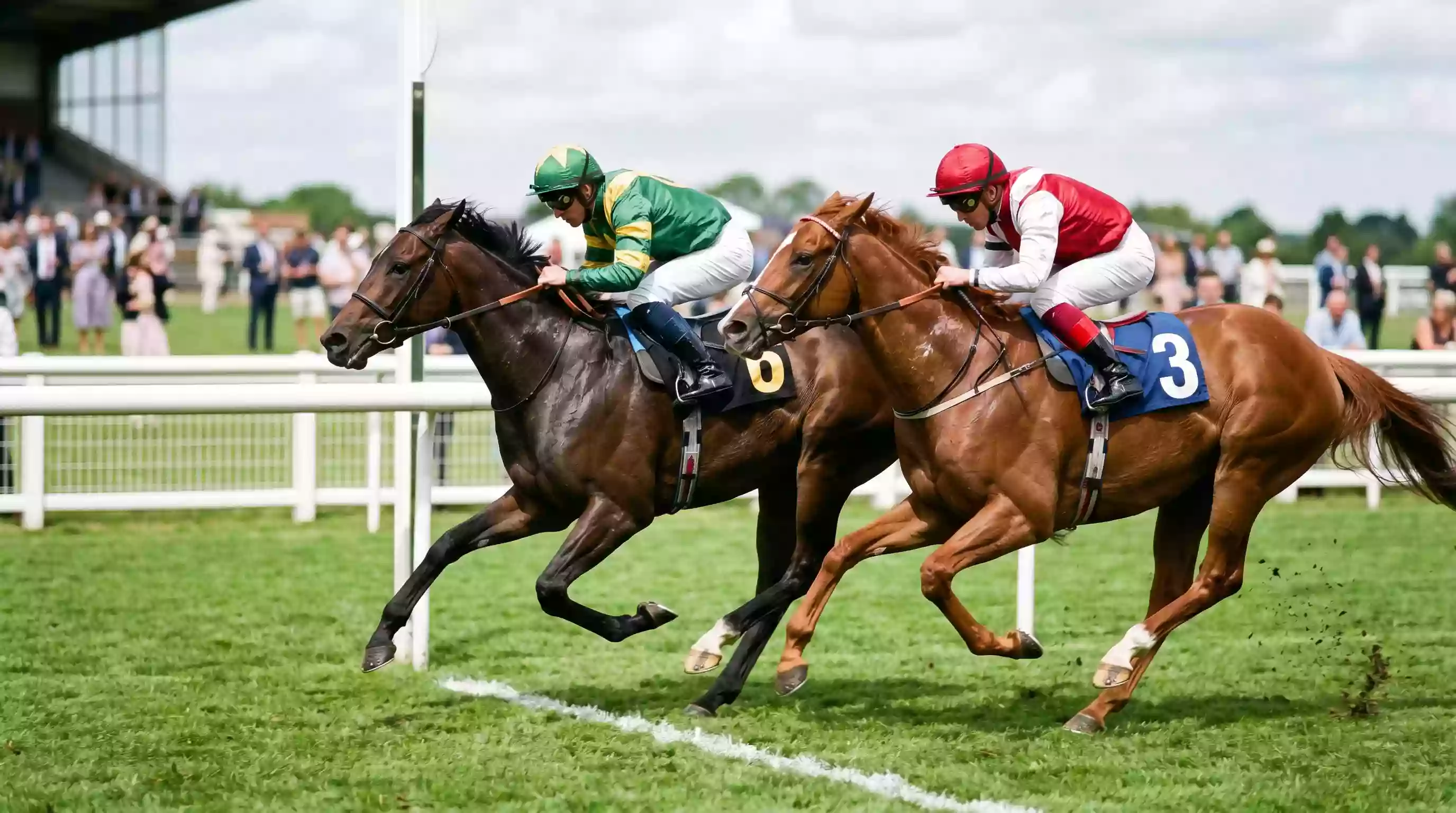
The announcement came over the speakers with unusual hesitation: “Dead heat for first place.” I’d backed one of the two horses involved, expecting either a winning payout or nothing. What I actually received was something in between — and it took a confused conversation with customer support before I understood the mathematics.
Dead heats occur when photo-finish technology cannot separate two or more horses for a position. They’re rare in British racing thanks to modern timing equipment, but they happen often enough that every serious punter should understand the settlement rules. The calculation isn’t intuitive, and getting an unexpected payout — or missing out on what you thought you’d won — creates frustration that’s easily avoided with basic knowledge.
What Is a Dead Heat?
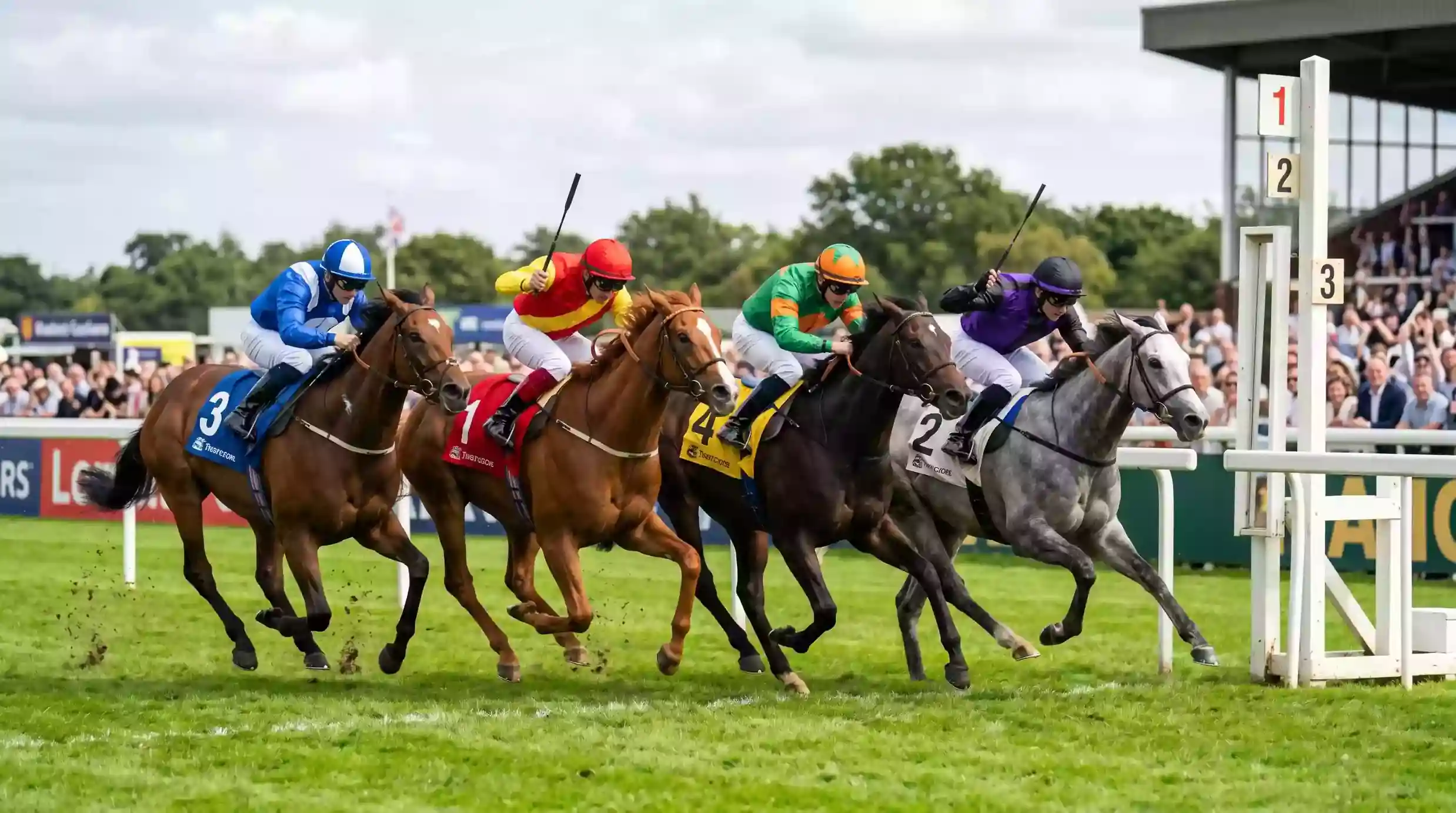
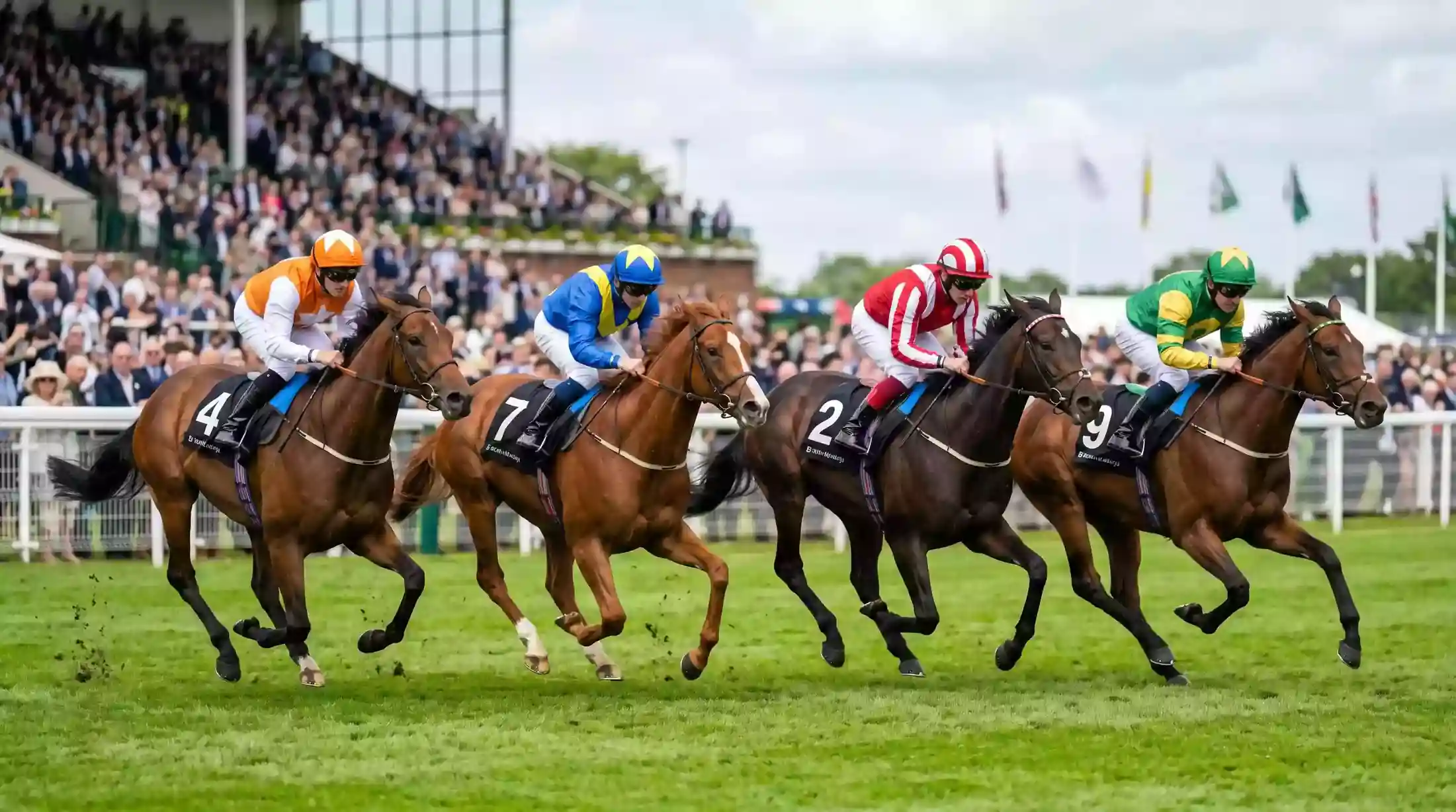
Racing determines finishing positions using photo-finish cameras that capture the precise moment horses’ noses cross the line. Most races produce clear separations, even if just a few centimetres. Occasionally, though, even these sophisticated systems cannot determine which horse finished ahead. That’s a dead heat — a tie.
Dead heats can occur for any position: first place (affecting win bets), second place, third place (affecting place bets in larger fields), or beyond. The principle applies identically regardless of which position is tied, though the betting implications differ based on which markets are affected.
UK racecourse attendance exceeds 5 million annually, and across the thousands of races run, dead heats appear perhaps a few dozen times per year. They’re uncommon enough to surprise most punters when encountered but common enough that bookmaker systems handle them automatically.
The declaration of a dead heat comes from the racecourse stewards after reviewing photo-finish evidence. Once declared, the result stands — there’s no subsequent determination of a winner. Both horses officially share the position, and betting settles accordingly.
Dead Heat Payout Calculation
The dead heat rule halves your stake then pays at full odds. This sounds more complicated than it is in practice.
Say you backed a horse at 6/1 with a £20 stake. Under normal circumstances, a win returns £140 (£20 x 7). In a dead heat for first with one other horse, half your stake (£10) is treated as winning at full odds while the other half (£10) is treated as a losing bet. You receive £70 from the winning portion (£10 x 7), making your total return £70 from a £20 stake.
The mathematics extend to three-way dead heats (rare but possible) by dividing stakes into thirds rather than halves. Four horses dead-heating would divide by four. The principle remains constant: your stake is divided among the number of horses sharing the position, with your portion paid at full odds.
Horse racing generates £766.7 million in gross gaming yield annually for UK operators, and dead heat rules ensure that bookmakers don’t pay out twice for effectively the same outcome while punters don’t lose entirely when their horse technically finished first (or placed).
For decimal odds users, the calculation works identically. A £20 bet at 7.0 normally returns £140. In a two-way dead heat, half your stake (£10) returns £70. The decimal odds multiply against half the stake rather than the full amount.
Dead Heats and Each-Way Bets
Each-way bets complicate dead heat calculations because multiple bet portions might be affected differently.
If your horse dead-heats for the win: the win portion of your each-way bet settles at half stake, full odds. The place portion also pays out because the horse officially placed. You receive the dead-heat reduced win payout plus the normal place payout.
If your horse dead-heats for a place position: only the place portion is affected. Suppose standard terms pay three places and your horse dead-heats for third with another runner. Your win bet loses entirely (the horse didn’t win). Your place bet settles at half stake, full place odds, because the dead heat occurred in a paying position.
Dead heats for positions outside the places don’t affect each-way bets — your place bet simply loses regardless of how many horses shared that non-paying position.
The maths can produce surprising outcomes. I once had an each-way bet where my horse won in a dead heat — the combined payout from half-stake winning and full-stake placing actually exceeded what I’d mentally calculated for a clear win. Understanding the structure before it happens prevents confusion after the result.
Multiple dead heats in the same race — while extremely rare — would apply the rules separately to each affected position. The theoretical complexity never quite matches real-world occurrence; dead heats themselves are uncommon, and multiple dead heats in one race are extraordinary.
Bookmaker systems handle dead heat calculations automatically. Your settled bet will show the adjusted payout without requiring you to do the maths. But understanding the underlying logic helps you verify settlements are correct and prevents surprise when returns differ from expectations.
Being Prepared for Dead Heats
Dead heats are unusual enough that most punters go months or years without encountering one. When they do occur, the settlement often confuses people who expected either full payout or full loss.
The key understanding is that dead heat rules protect both parties: bookmakers don’t double-pay for effectively tied results, and punters receive partial payment rather than nothing when their horse technically won or placed. The halving mechanism balances these interests reasonably.
Don’t be surprised when dead heat settlement appears in your account. The figure won’t match what you mentally calculated for a clear win, but it shouldn’t be zero either. If you’re ever uncertain about settlement, check the race result first — dead heats are always publicly declared — then apply the half-stake, full-odds calculation. The mathematics are consistent even when the circumstances feel unusual.
Photo finish technology continues improving, making dead heats increasingly rare. Modern cameras capture images at thousands of frames per second; genuine dead heats require horses to be inseparably close at the exact moment of crossing. When technology cannot determine a winner, you can be confident the margin was truly unmeasurable.
Record any dead heat settlements for your betting records. The unusual payout might look like an error when reviewing accounts later. Noting that a particular settlement resulted from a dead heat prevents confusion and ensures your tracking remains accurate.
If you believe a dead heat settlement is incorrect, contact the bookmaker’s customer support with the race details and your calculation. Errors do occasionally occur in settlement systems. Knowing the correct mathematics enables you to verify that you’ve received what you’re owed — or identify when something has gone wrong.
Dead Heat Questions
Do I lose money in a dead heat?
You receive less than a clear win would pay, but you don’t lose entirely if your horse was involved in the dead heat. Your stake is halved (or divided further for three-way ties), with your portion paid at full odds. This typically returns more than half your potential winnings from a clear victory.
Can there be a dead heat for third place?
Yes, dead heats can occur for any finishing position. If two horses cannot be separated for third place, punters who backed either horse to place would have their place bets settled under dead heat rules — half stake paid at full place odds.
Written by the editors at bet for Horse Racing.