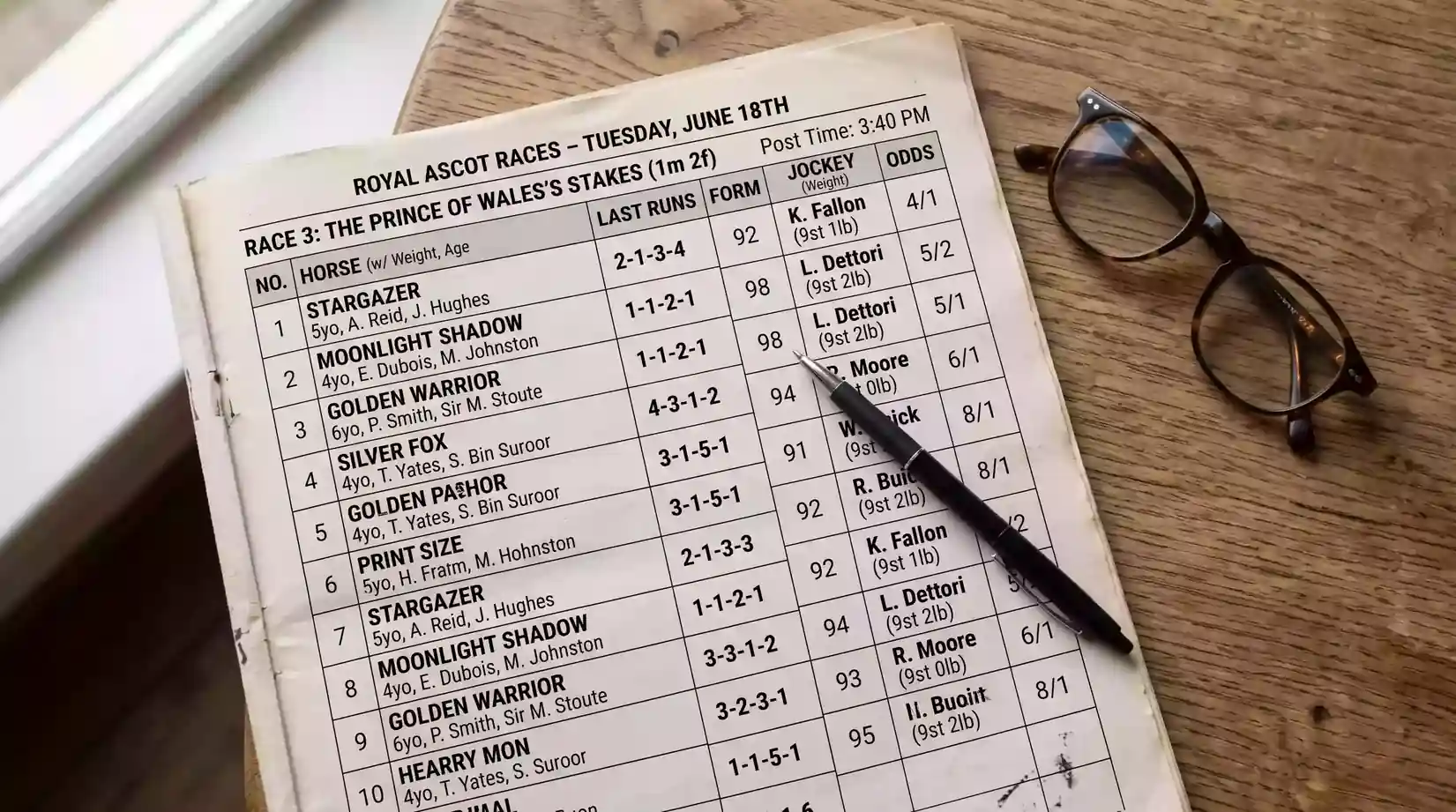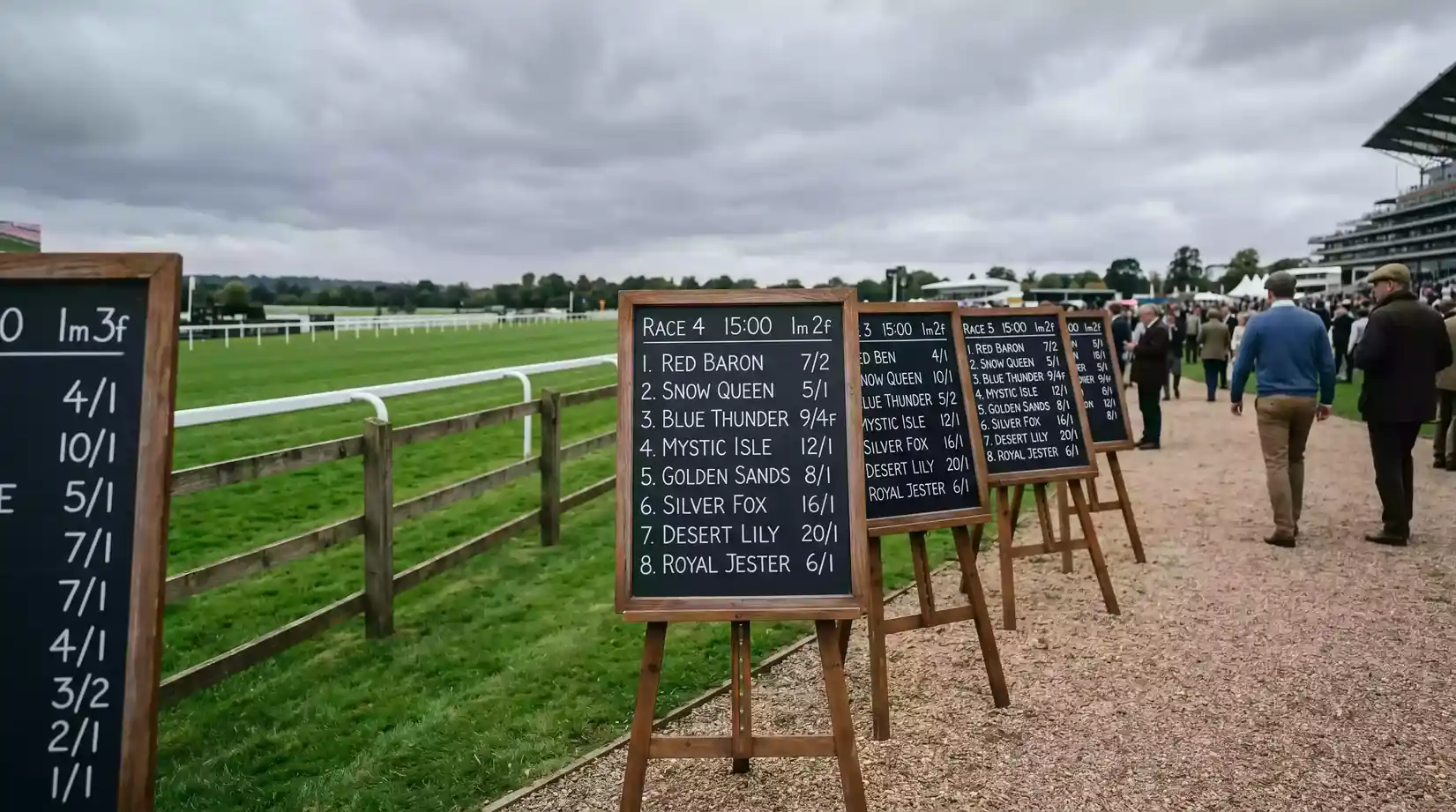
Ante-Post Betting Horse Racing: Early Odds Guide
 Available in US
Three weeks before the Cheltenham Festival one year, I backed a horse at 25/1 for the Champion Hurdle. By race day, it started at 5/1. The satisfaction of watching those odds collapse while holding a ticket at five times the final price is something every racing fan should experience at least once.
That’s the promise of ante-post betting — taking prices weeks or months before a race when bookmakers are uncertain and value is available. The risks are real: your horse might not even make the starting line, and your stake goes up in smoke. But the potential rewards make ante-post one of the few areas where informed punters can find genuine edge against the market.
Aintree’s Grand National Festival saw attendance rise 4.1% in recent years, Royal Ascot climbed 4.8%, and Cheltenham continues to draw enormous crowds. These festivals drive ante-post interest like nothing else in racing, with markets forming months in advance and prices shifting dramatically as information emerges. Understanding how to navigate those markets separates opportunistic betting from gambling blind.
Ante-Post Rules: What You Need to Know
The fundamental difference between ante-post and regular betting is simple but brutal: if your horse doesn’t run, you lose your stake. No refunds. No exceptions in standard markets.
This rule exists because bookmakers price ante-post markets without knowing the final field. They’re offering odds on horses that might get injured, that might be targeted at different races, that might simply not be good enough when preparation races expose their limitations. That uncertainty is why prices are generally better ante-post than on the day — you’re being compensated for taking the non-runner risk.
Best Odds Guaranteed doesn’t apply to ante-post bets. If you take 20/1 in February and your horse starts at 33/1 in March, you get your 20/1 regardless. The mechanisms that protect day-of-race betting don’t extend to early markets because the risk profile is fundamentally different.
Rule 4 deductions — the reductions applied when horses withdraw and shorten the field — also don’t apply to ante-post. Your odds are locked when you place the bet. Late withdrawals that would trigger deductions in normal markets don’t affect your ante-post ticket because you took the risk of any withdrawal, including your own selection.
Non-Runner Policies by Bookmaker
Not all bookmakers treat non-runners the same way. Understanding the variations can protect your stakes without sacrificing too much value.
Standard ante-post rules mean all bets stand. Your horse withdraws the morning of the race? Tough luck. But several bookmakers now offer “Non-Runner No Bet” (NRNB) on selected races, particularly the major Cheltenham Festival contests. Under NRNB terms, if your horse doesn’t start, your stake is returned as cash or a free bet.
The catch is obvious: NRNB prices are worse than standard ante-post. A horse might be 16/1 ante-post under normal rules but only 12/1 with NRNB protection. You’re paying for insurance through reduced odds. Whether that trade-off makes sense depends on the specific horse, the time until the race, and your stomach for risk.
Horses in training numbered 21,728 last year — a decline of 2.3% from the previous season. With fewer horses in the system, high-class performers carry even more value to their connections, making them less likely to be risked when not fully fit. Injuries and setbacks that prevent horses reaching major targets are part of the landscape. NRNB offers peace of mind; standard ante-post offers better prices. Neither is universally correct.
Some bookmakers extend NRNB to entire meetings during key festivals, while others apply it only to specific flagship races. The terms also evolve — what was offered last year might not apply this year. Check the specific conditions before placing any ante-post bet, especially if non-runner protection influences your decision.
Finding Value in Ante-Post Markets
Ante-post markets reward two things: being right about horses and being early. The combination is where profits hide.
The best ante-post value often emerges immediately after a promising performance that doesn’t grab mainstream attention. A horse wins a novice hurdle impressively in November, and bookmakers react by cutting its Cheltenham odds from 33/1 to 20/1. Racing insiders recognise the performance’s quality; casual punters haven’t noticed yet. That window — after the informed money moves but before the public piles in — is where patient bettors find edges.
Following trainer patterns helps enormously. Certain yards aim specific horses at specific targets year after year. When you recognise those patterns, you can anticipate entries and movements before they become obvious. A trainer who regularly sends a strong team to the Supreme Novices’ Hurdle will have candidates identifiable from autumn form, giving you months of potential price movement in your favour.
Trial races provide crucial information checkpoints. The major festivals have established prep races: the Dublin Racing Festival for Cheltenham, the Trials Day for jumps seasons, the Guineas trials for Derby candidates. Watch these closely. Horses that confirm their ability often shorten dramatically; those who disappoint drift. Having formed your ante-post position before trials gives you either confirmation or an opportunity to reassess.
Each-Way Ante-Post Betting
Placing each-way bets ante-post introduces complications that catch out inexperienced punters. The place terms you see months before a race might not match what applies on the day.
When you bet each-way ante-post, the place terms are typically based on expected field size rather than actual runners. A championship race expected to attract ten runners might offer 1/4 odds for the first three places. But what if only six declare? The terms might adjust, or they might not — it depends on the bookmaker and the specific market conditions.
Field sizes in major races can be unpredictable. A handicap might attract 24 entries but only 16 declarations, shifting place terms dramatically. This uncertainty is why some punters prefer win-only ante-post betting, leaving each-way plays for closer to the race when field size is clearer.
The place odds themselves compound value when you strike it right. An ante-post each-way bet at 20/1 returns 5/1 for the place portion at 1/4 odds. If your horse shortens to 8/1 by race day, you’re holding a place slip at nearly double the day-of-race value. For each-way specialists, ante-post markets offer exactly this opportunity — each-way betting mechanics amplify the value when prices move in your favour.
Making Ante-Post Work for You
Ante-post betting isn’t for everyone. The tie-up period locks your money for weeks or months. The non-runner risk is real and hits harder than most punters anticipate until it happens to them. And the research required to find genuine value extends well beyond checking odds — you need to follow horse form, trainer patterns, and market movements across entire seasons.
But for those willing to engage deeply with the sport, ante-post markets offer something increasingly rare in betting: genuine inefficiency. Bookmakers can’t perfectly price events months away. Information asymmetries exist. Patient, informed punters who study autumn form, understand trainer methods, and strike before the mainstream catches on can extract value that disappears once races draw near.
Start small and focused. Pick one festival and get to know its prep races, its usual suspects, its patterns of early support and late drifters. Track your ante-post bets separately from day-to-day punting so you can assess whether your early-season judgments hold up. Embrace the occasional loss to non-runners as the cost of playing a longer game. Done right, ante-post becomes one of the most intellectually satisfying aspects of racing — betting on futures you’ve studied and reasoned through, not just reacting to markets others have already shaped.
Ante-Post Questions
How do ante-post bets work?
Ante-post bets are wagers placed well before a race, sometimes weeks or months in advance. You lock in odds at the time of betting. The key difference from standard bets: if your horse doesn’t run, you lose your stake unless you have Non-Runner No Bet protection.
What does NRNB mean in ante-post betting?
NRNB stands for Non-Runner No Bet. Under these terms, if your selected horse is withdrawn before the race, your stake is returned rather than lost. The trade-off is shorter odds than standard ante-post prices. Not all bookmakers offer NRNB on all races.
Written by the editors at bet for Horse Racing.