Horse Racing Odds Comparison: Finding the Best Prices
 Available in US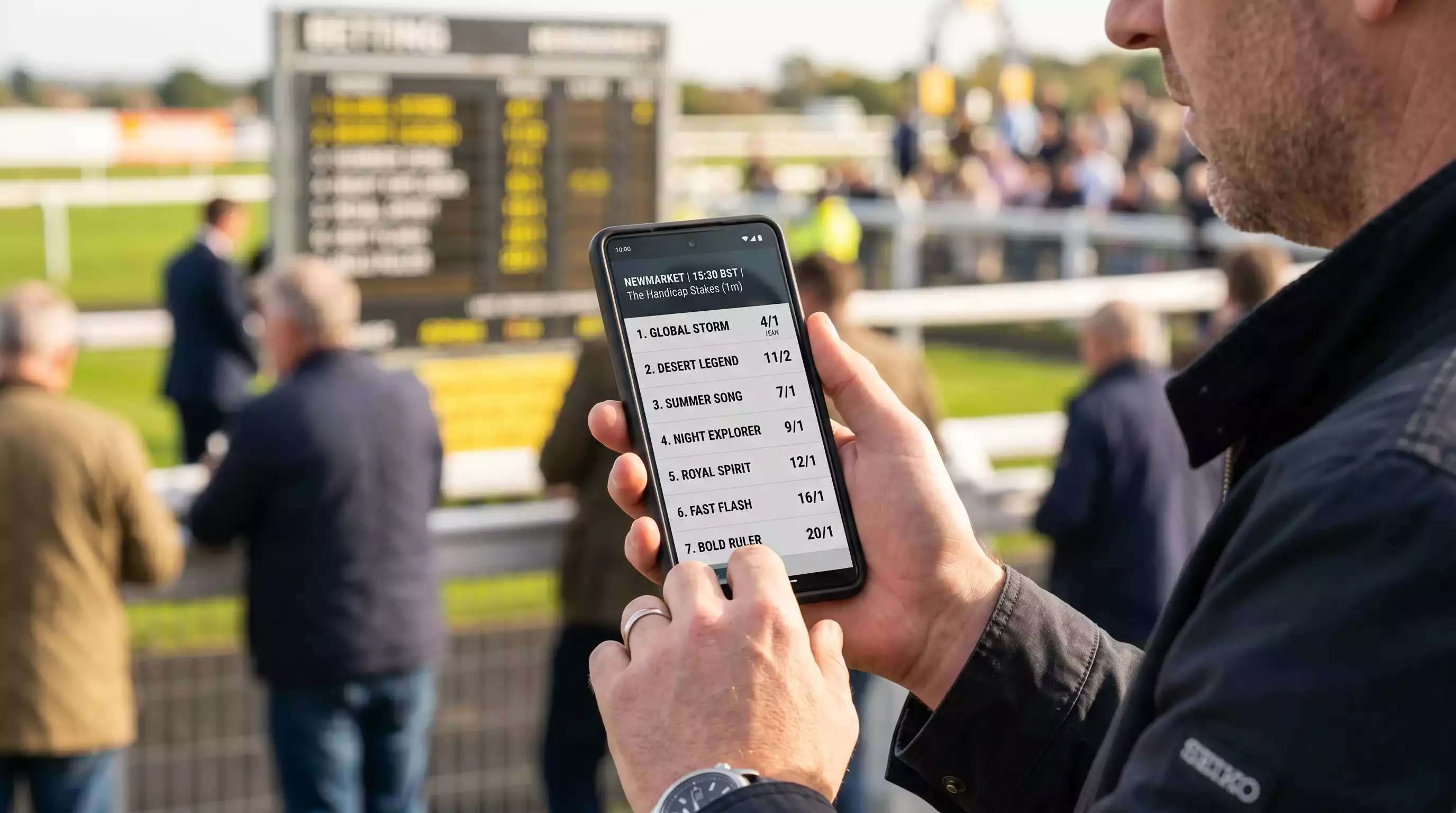
A few years back, I tracked my racing bets meticulously for six months, recording not just what I backed but what price I took versus what was available elsewhere. The results were uncomfortable: I’d left roughly 8% of potential returns on the table by not shopping around. That was money lost to laziness, not bad judgment.
Odds comparison sounds tedious until you see the cumulative impact. Taking 7/2 when 4/1 was available on the same horse doesn’t feel significant on a single £10 bet — you’re talking about an extra £5 return. But across hundreds of bets per year, those differences compound into serious money. This guide covers how to make comparison work efficiently without spending more time checking odds than watching races.
Why Comparing Racing Odds Matters
Horse racing generates £766.7 million in gross gaming yield annually for UK bookmakers. That profit comes from the margin built into every price — the gap between true probability and offered odds. Different bookmakers set different margins, meaning identical horses carry different prices across the market.
The variation might surprise you. On major races, differences between best and worst available odds regularly reach 10-15%. On minor races with less competitive pricing, gaps can stretch to 25% or more. A horse at 10/1 with one bookmaker might be 8/1 elsewhere — same horse, same race, dramatically different payout if it wins.
Over time, consistently taking best available prices produces a mathematical edge that can shift losing long-term results toward breakeven, or breakeven toward profit. This isn’t about finding winners — it’s about extracting maximum value from the winners you do find. Two punters with identical selection ability will show different results if one shops for odds and the other doesn’t.
The effect compounds in multiples. An accumulator at suboptimal prices across four legs might return 30% less than the same selections at best available odds. That’s not marginal — it’s the difference between meaningful returns and mediocre ones.
Odds Comparison Tools for Racing
The UK has over 24 million active online betting accounts, and comparison tools have emerged to serve punters holding multiple of them. These platforms aggregate odds from dozens of bookmakers, displaying best prices at a glance.
Dedicated odds comparison websites show racing markets with prices ranked across bookmakers. You enter a race, see every runner with colour-coded highlights showing who offers best odds, and can click through to place bets directly. The interface saves minutes of manual checking and ensures you never miss a better price out of ignorance.
Mobile apps bring comparison into your pocket. Real-time updates mean you can check odds while watching preliminary races, seeing price movements and identifying value as markets shift. Push notifications alert you to significant changes on horses you’re following — useful for those who like to track selections before committing.
Some bookmaker apps now include comparison features showing how their price ranks against competitors. This is useful for quick checks but obviously doesn’t show when rivals offer substantially better — they’re highlighting competitiveness, not flagging when you should bet elsewhere.
Betting exchanges show prices independently of bookmaker markets, providing another benchmark. Exchange odds often exceed bookmaker prices, particularly on horses that aren’t public favourites. Cross-referencing exchange odds against bookmaker comparison sites reveals where true value lies.
Understanding Odds Movement
Prices don’t stay static. Money flowing into markets moves odds, sometimes dramatically. Understanding these movements helps you identify when to bet and when to wait.
Steam moves occur when significant money backs a horse, shortening its price rapidly across multiple bookmakers. The cause might be insider confidence, a well-known professional taking a position, or viral social media attention. Catching a steamer early means you get better odds than those who follow later. Comparison tools highlight these moves by showing which bookmakers have already cut prices and which haven’t yet reacted.
Drifters move the opposite direction — horses whose prices lengthen as the market loses confidence. This might signal problems invisible in published form, or simply reflect money going elsewhere. Watching drifters helps identify horses to oppose, or opportunities if you disagree with market sentiment.
Market efficiency increases closer to race time. Early morning prices include more uncertainty padding; by the time betting closes, competitive pressure has usually aligned bookmakers fairly closely on the obvious contenders. The bargains exist early, while pricing discrepancies exist late on overlooked runners.
Practical Tips for Odds Shopping
Multiple accounts are essential. You can’t take the best price at a bookmaker you don’t have an account with, and the window for good prices often closes within minutes. Set up accounts with major operators and several specialists before you need them, completing verification so you can bet immediately.
Time your comparison strategically. Checking every race across every bookmaker isn’t practical. Focus comparison effort on your strongest fancies — the bets where getting best price matters most to your P&L. For speculative small-stake punts, the extra few percent isn’t worth the time investment.
Best Odds Guaranteed removes some comparison necessity. If your bookmaker offers BOG, taking their morning price guarantees you won’t do worse than SP. This protection means you can bet earlier without constantly monitoring for better prices, provided BOG is active for that race.
Keep notes on which bookmakers consistently offer best prices for specific race types. Some operators specialise in particular markets — Irish racing, handicaps, major festivals. Over time, you’ll develop default choices that usually win comparison without needing to check every time.
Making Odds Work for You
Odds comparison won’t make you a winner on its own. If your selections are poor, taking best prices on them just means losing more efficiently. But if you already win selections at a reasonable rate, comparison extracts maximum value from that skill. It’s the difference between leaving money on the table and collecting everything you’re owed.
Start by integrating comparison into your existing process. Before placing any bet, spend thirty seconds checking whether better odds exist elsewhere. That habit alone will improve returns without requiring additional effort or expertise. Over time, you’ll learn market patterns and instinctively know where to look first.
The goal isn’t perfection. You won’t catch every best price on every bet. But moving from taking whatever price is in front of you to actively seeking value represents a mindset shift that pays dividends across every racing season. The punters who profit long-term do this automatically; those who don’t are effectively subsidising the bookmaker margin more than necessary.
Odds Comparison Questions
Which bookmaker has best horse racing odds?
No single bookmaker consistently offers best odds across all racing. The leader varies by race, market type, and time of day. Using odds comparison tools for specific selections identifies which operator has best price for that particular bet. Having accounts with multiple bookmakers lets you access best prices wherever they appear.
Should I have multiple betting accounts?
Yes, for serious odds comparison. You cannot take best available prices without accounts at the operators offering them. Most punters benefit from accounts with five to ten bookmakers, providing coverage of prices while keeping management practical. Ensure you verify all accounts before needing them urgently.
Published by the bet for Horse Racing team.