Epsom Derby Betting: Classic Racing Guide 2026
 Available in US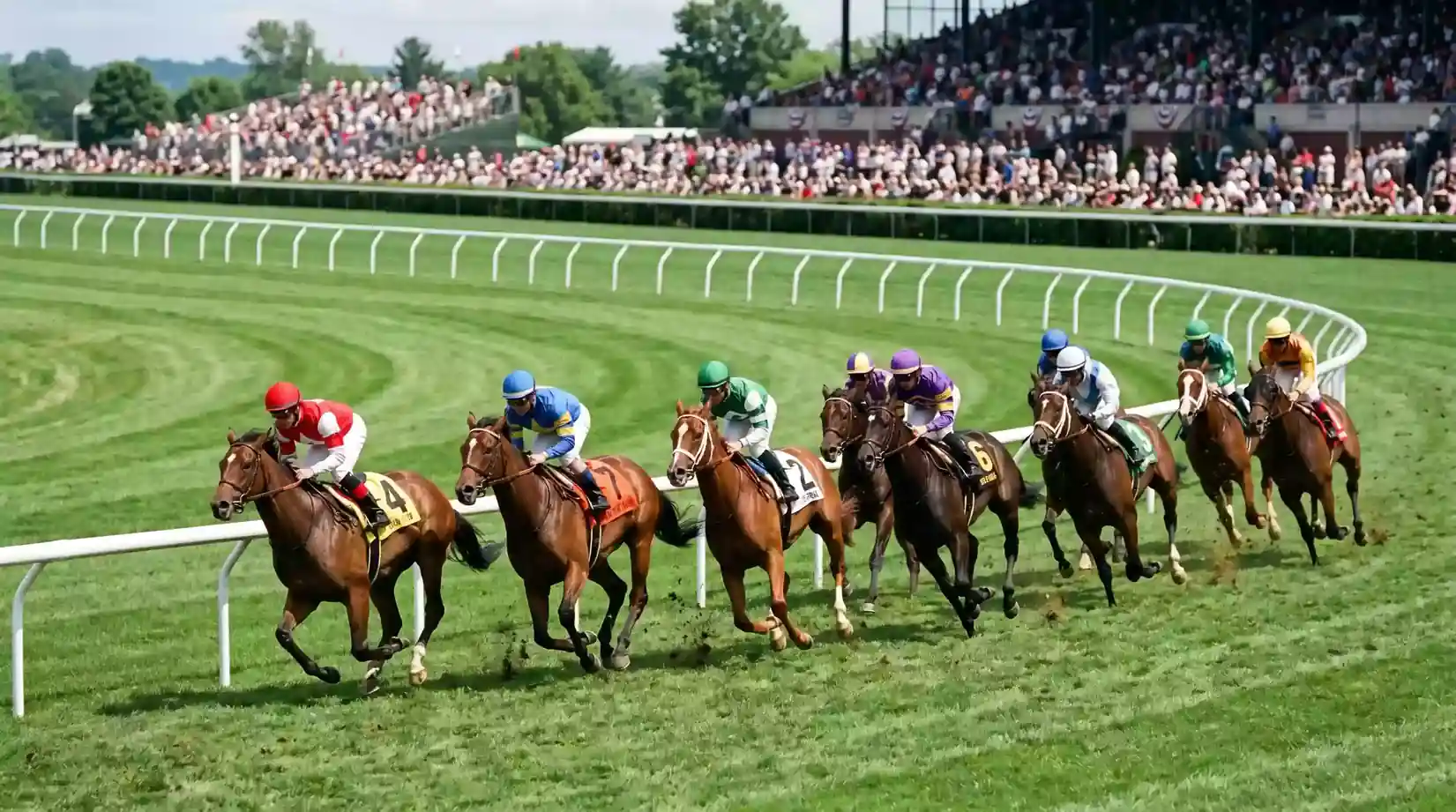
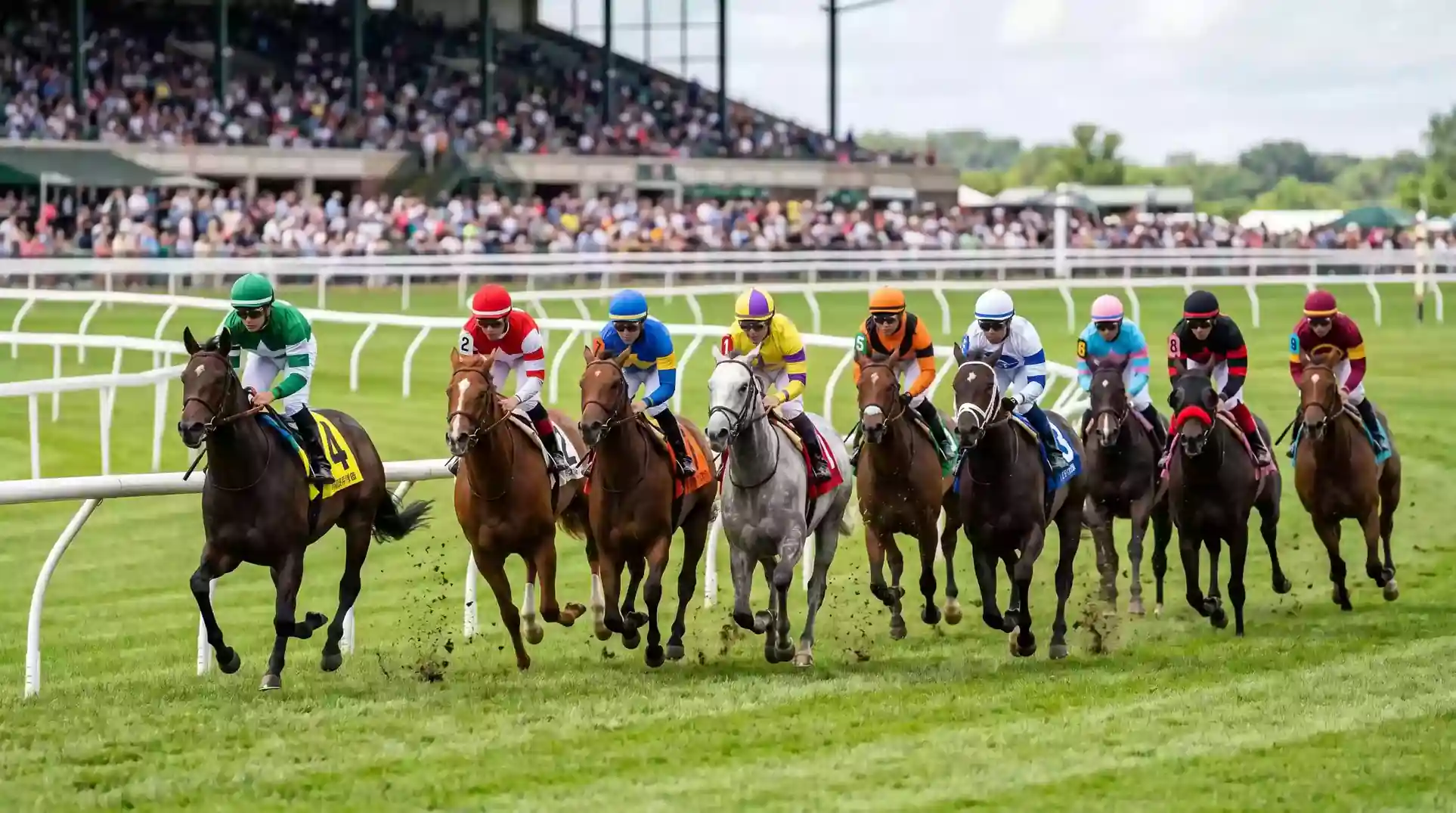
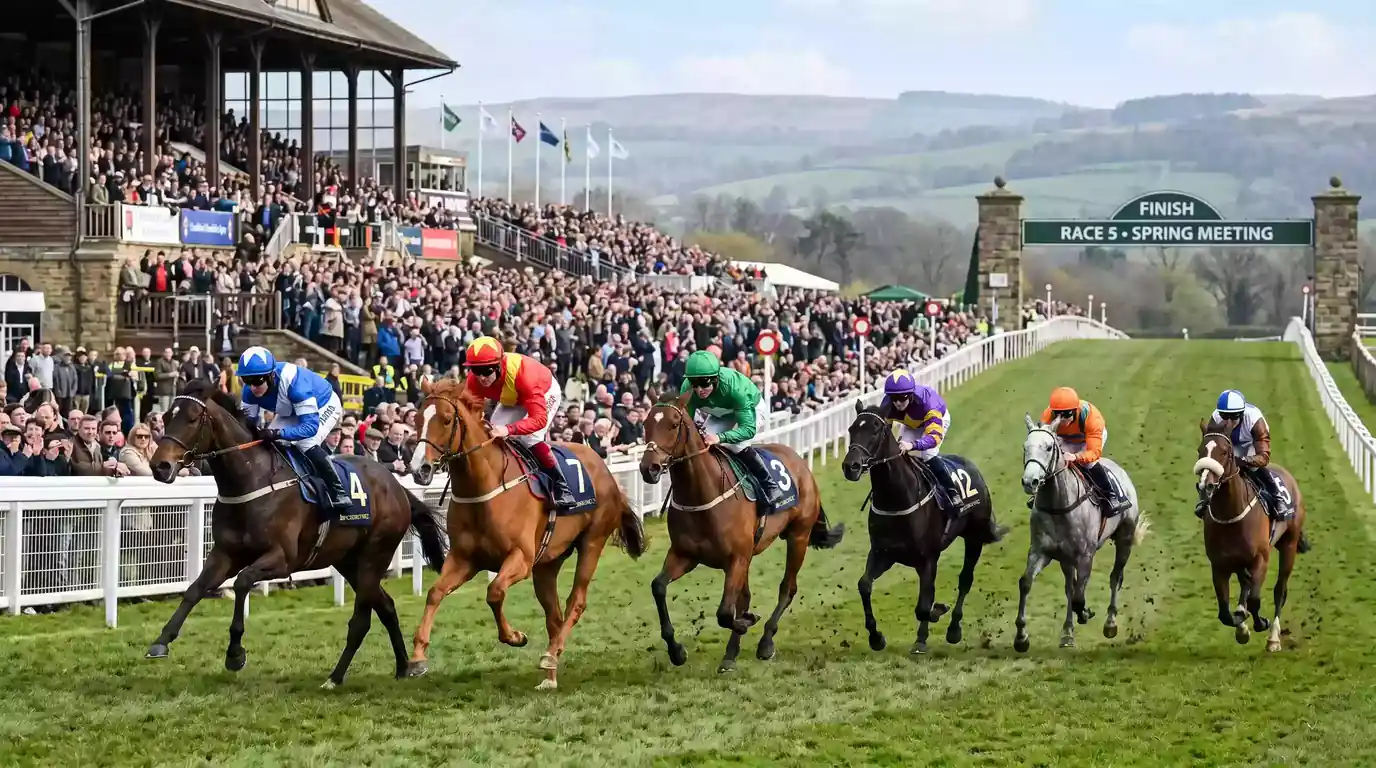
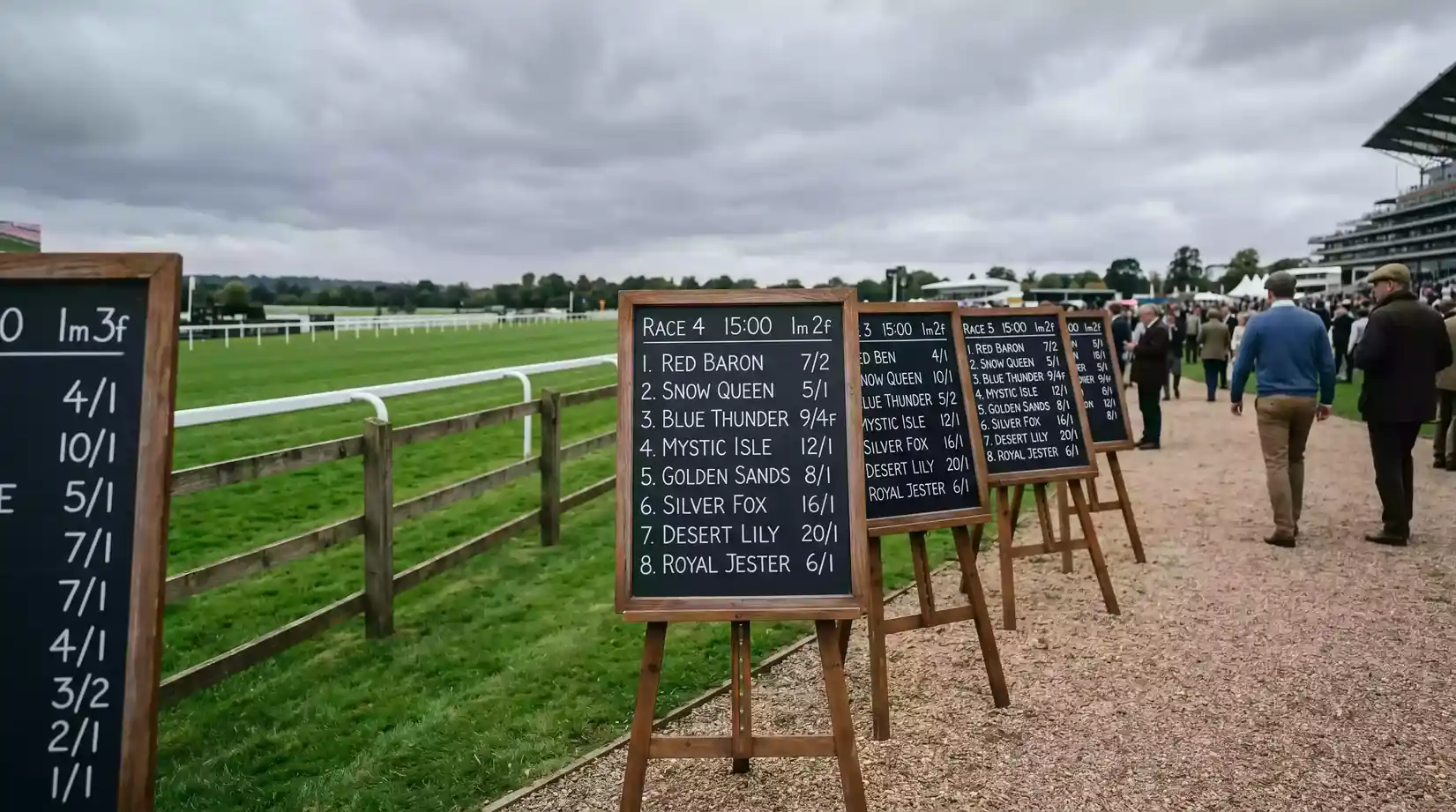
They call it the Blue Riband of the turf, and watching horses sweep around Tattenham Corner with a hundred thousand spectators roaring — you understand why. The Epsom Derby has tested the best three-year-olds since 1780, and despite modern challenges to its supremacy, it remains the race every flat owner dreams of winning.
Alan Delmonte, Chief Executive of the Horserace Betting Levy Board, emphasised that racing must be “presented and structured in a way that is attractive to the modern consumer.” The Derby achieves this through tradition, spectacle, and genuinely compelling competition. For bettors, it offers the year’s most analysed Classic — months of ante-post positioning culminating in a single Saturday in June.
The Epsom Derby: A Racing Institution
The Derby matters because winning it requires a rare combination of attributes. Epsom’s unique downhill run to Tattenham Corner, followed by a stiff uphill climb to the line, eliminates horses who merely gallop fast. Stamina, balance, and racing intelligence all factor — which is why Derby winners frequently become champion sires, their offspring inheriting those multifaceted qualities.
Recent renewals have produced genuine stars: horses who went on to dominate at four and five, proving the race still identifies the best of their generation. The UK betting market for horse and sports betting reaches £3.7 billion, and Derby day captures disproportionate attention — casual punters joining racing enthusiasts for an afternoon that transcends normal Saturday racing.
Epsom presents unique challenges. The camber on the run to Tattenham Corner unseats some horses who’d handle any other course. The final climb favours those with stamina reserves after a searching gallop. Field size — typically 15-20 runners — creates tactical complications that smaller fields avoid. These factors make the Derby one of the hardest races to assess, which in turn creates betting value for those who study its specific demands.
Derby Betting Markets
Ante-post markets for the Derby open in the autumn, when talented two-year-olds emerge and connections begin dreaming of the following June. Prices at this stage are speculative; most of these early fancies won’t even reach the starting gate.
The trial season — April and early May — brings meaningful market formation. Established trials like the Dante at York, the Lingfield Derby Trial, and Irish equivalents reveal which horses are being prepared for Epsom. Winners shorten dramatically; disappointing efforts cause drifters. This period offers the best combination of information and value — form has emerged but public money hasn’t yet piled in.
“Without the favourite” markets let you back the field excluding the market leader. In years with a standout contender, this can offer value: even dominant favourites occasionally falter at Epsom’s unique challenge, and backing the field at combined odds of 2/1 or better sometimes appeals.
Jockey bookings provide intelligence. Top riders commit to Derby mounts months ahead when genuinely confident; late changes or uncertain bookings sometimes signal less conviction from connections. Tracking which jockey rides which trial runner helps predict final Derby allegiances.
Best Derby Betting Offers
Racing participation peaks in the summer months, and the Derby captures significant attention from punters who engage sporadically during the year. Bookmakers respond with promotional generosity designed to capture this audience.
Enhanced odds on selected contenders appear throughout Derby week, with new customer offers particularly prominent. Maximum stake limits typically apply, but even capped at £10 or £20, these enhanced prices offer risk-free positions on fancied runners.
Extra places extend each-way coverage. Standard terms in a 15-runner Derby pay three places; promotional offers might extend to four or five. Given the race’s unpredictability — Group 1 performers sometimes struggle with Epsom’s demands while unexposed types handle them — extended places carry genuine value.
Money-back specials target specific scenarios: second to the favourite, leading into the final furlong but caught, challenging wide around Tattenham Corner before fading. These conditional refunds reduce downside on losing bets without affecting winning ones.
Best Odds Guaranteed applies throughout Derby day racing. The Derby market often sees significant late moves as connections’ confidence becomes clearer; BOG ensures early prices don’t become regretted decisions if your selection shortens.
Ante-post promotions throughout spring help position for Derby day. Non-Runner No Bet on trial winners, enhanced each-way terms on selected contenders, and deposit bonuses timed around key races all provide value opportunities in the months before the race itself.
The Derby’s mainstream appeal means promotions often target casual bettors specifically. New account offers intensify around the race; existing customer promotions reward loyalty. Checking all available offers — not just those prominently displayed — often reveals additional value the casual viewer would miss.
Derby Day Preparation
The Derby rewards punters who engage across the entire preparation period rather than making snap judgments on the morning. Following candidates from their two-year-old seasons, tracking trial performances, and understanding how Epsom’s unique demands suit different running styles — this groundwork produces informed positions when the market settles.
Epsom specialists exist among trainers too. Some yards have historically targeted the Derby with specific preparation routines; others struggle despite quality horses. Trainer records at the course provide another angle beyond individual horse form.
On the day itself, the parade ring offers final intelligence. How does your selection handle the crowd? Is it calm or sweating? Does it move well on legs that must cope with Epsom’s undulations? Live observation complements form study, particularly for horses whose temperament might be tested by the unique atmosphere.
The supporting card provides warm-up betting opportunities. The Oaks on Friday, the Coronation Cup for older horses, and the handicaps across both days offer value in their own right. Treating Derby weekend as a complete meeting rather than a single race spreads opportunities and reduces pressure on the main event.
Post-Derby markets emerge immediately. Horses who run well but don’t win often become ante-post favourites for subsequent Classics or autumn Group 1s. Quick reactions to the result — assessing what the Derby revealed about relative merits — can capture value before markets adjust fully.
Watch the Derby as a student, not just a spectator. How did horses handle Tattenham Corner? Which running styles suited the prevailing conditions? How did the race unfold tactically? This observation informs not just immediate post-race betting but also your understanding of how Epsom races typically develop — knowledge applicable in future years.
The fillies’ Classic — the Oaks on Friday — often provides Derby clues. Ground conditions, favoured running styles, and pace dynamics on Friday foreshadow Saturday possibilities. Use the Oaks as reconnaissance for the main event.
The Derby’s prestige attracts attention from casual punters who bet once or twice yearly. That influx of uninformed money sometimes distorts odds, creating opportunities for those who’ve done proper homework. Position yourself well, stake sensibly, and enjoy the spectacle — the Derby delivers drama regardless of whether your selection reaches the winner’s enclosure.
Derby Betting Questions
When is the Epsom Derby 2026?
The Derby runs on the first Saturday in June, as it has for generations. The race is the centrepiece of a two-day Epsom Festival that includes the Oaks for three-year-old fillies on Friday and other high-quality supporting races across the weekend.
What are the key Derby trials to follow?
The Dante Stakes at York, typically three weeks before the Derby, provides the most direct trial form. The Lingfield Derby Trial over the same trip offers clues about stamina. Irish trials including the Ballysax and Derrinstown help assess the cross-channel challenge. Following all major trials provides the fullest picture.
Prepared by the bet for Horse Racing editorial staff.