Place Bet Horse Racing: When Second Counts
 Available in US
Years ago I backed a horse at 8/1 to win a competitive handicap. It ran a blinder, leading for most of the race, but got caught in the final strides and finished second. Under my win-only bet, I collected nothing. A friend who’d taken the same horse in a place-only market at 3/1 walked away with profit. Same horse, same race, different outcome — because he’d bet on placing rather than winning.
Place betting occupies a specific niche between win-only wagers and each-way bets. Roughly 15% of UK adults bet on racing at least monthly, and understanding place markets gives you flexibility in how to approach different situations. Sometimes backing a horse to place — rather than to win or each-way — offers the best value.
What Is a Place Bet?
A place bet backs a horse to finish in the first two, three, or four positions depending on field size and race type. If the horse places, you win. If it finishes outside the places, you lose. The stake is single — you’re not doubling up like each-way betting.
This differs fundamentally from each-way, which comprises two bets: one on the win, one on the place. An each-way bet at £10 costs £20 total. A place-only bet at £10 costs £10. You’re backing only the place outcome without any stake on the win.
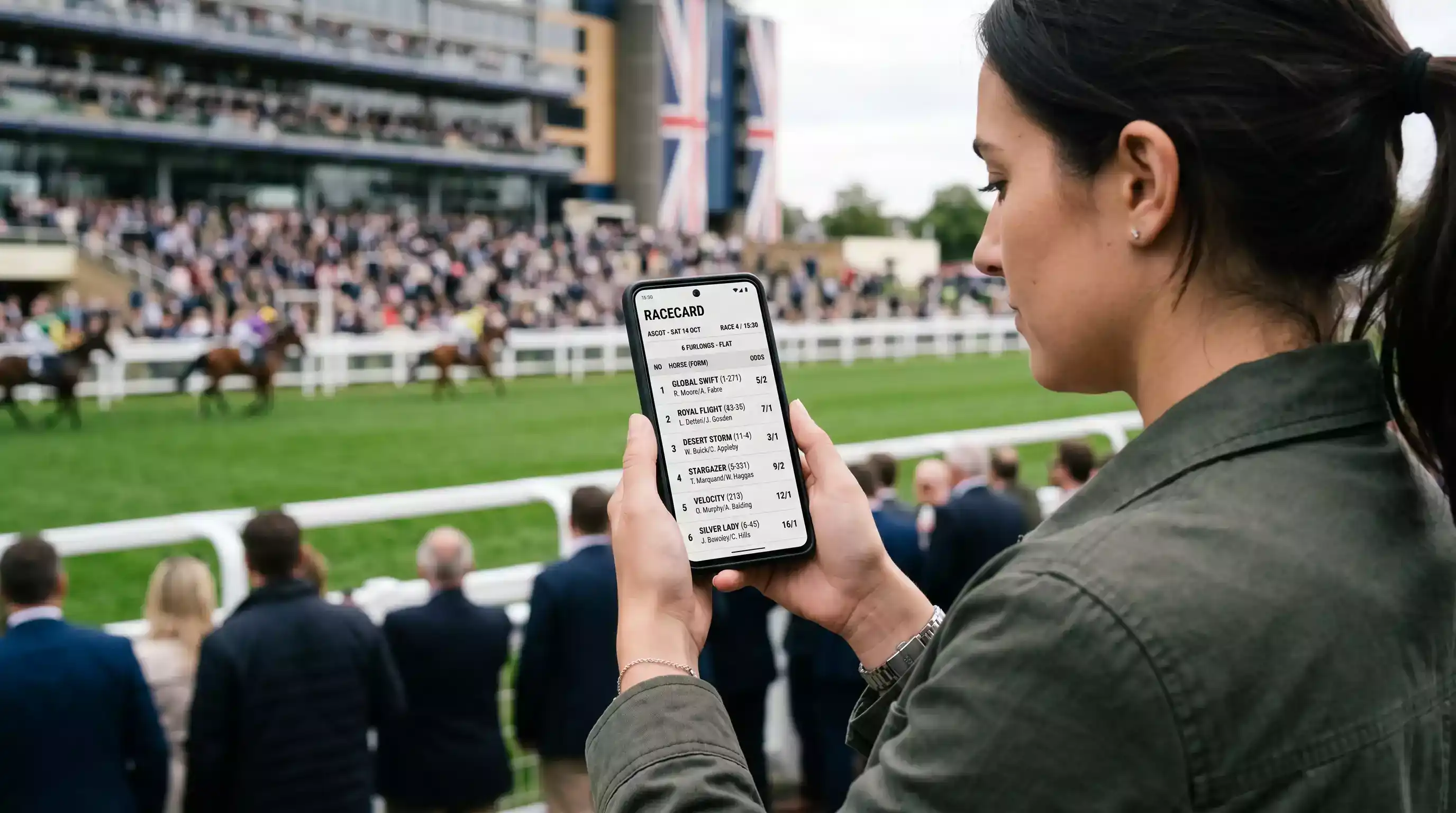
Place odds are lower than win odds because you’re covering more outcomes. A horse at 8/1 to win might be 2/1 to place in a race paying three places. The probability of placing exceeds the probability of winning, so bookmakers adjust accordingly.
Traditional bookmakers offer place betting through specific markets, often labelled “Place Only” or “To Finish 1-2-3.” These markets typically mirror the place terms of each-way betting for that race type. Check which places count before betting — it varies by field size.
Place Markets on Betting Exchanges
The remote casino, betting, and bingo sector generates £7.8 billion annually in gross gaming yield, with exchanges capturing meaningful share through their unique place market offerings.
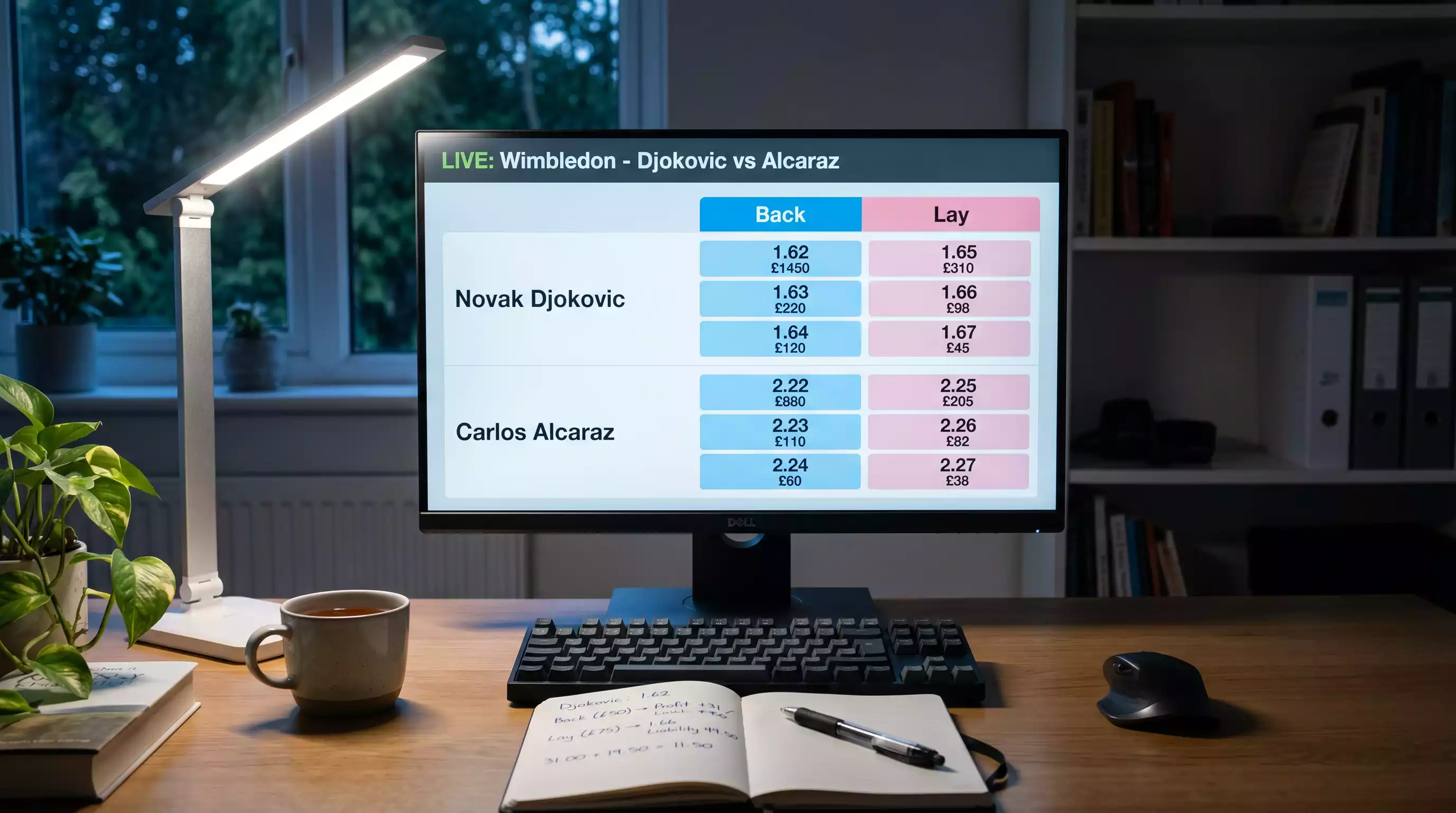
Exchange place markets operate independently from bookmaker each-way terms. Rather than deriving place odds from win prices, exchanges create separate markets where punters back and lay at prices determined by supply and demand. This often produces better value than bookmaker place equivalents.
Specific place positions can be traded. Exchanges offer markets not just for “to place” but for “to finish second,” “to finish third,” and beyond. If you think a horse will run well but lacks the pace to win, backing it for second specifically might offer better value than a general place market.
Liquidity varies significantly in place markets. Major races attract deep liquidity; minor midweek races might have thin markets where getting matched at decent odds proves difficult. Check available volume before committing — a great price with only £10 available isn’t useful if you want to stake £50.
The mathematical approach differs on exchanges. Bookmaker place odds derive from win odds through standard fractions; exchange odds reflect genuine market assessment of place probability. These can diverge significantly, creating arbitrage opportunities for punters monitoring both.
When Place Betting Makes Sense
Place-only betting suits specific scenarios better than win or each-way alternatives. Recognising these situations improves overall returns.
Consistent placers with limited win ability represent classic place-bet targets. Some horses regularly finish in the first three or four but rarely get their head in front. Their win odds might be 12/1 while place odds sit at 3/1. If you believe placing is likely but winning improbable, the place bet extracts value that each-way dilutes.
Short-priced contenders in competitive races offer place value. A 2/1 shot in a 16-runner handicap faces plenty of competition for the win but strong chances of placing. If each-way returns at 1/4 odds feel insufficient for the risk, place-only at better odds might appeal.
Horses facing traffic or draw concerns might place while struggling to win. A horse drawn wide in a sprint might have to use extra energy to find position, limiting its ability to sustain a finish while still running into the frame. Place betting captures that outcome; win betting misses it.
Late money supporting a horse for place rather than win sometimes signals connections’ realistic expectations. Watching where smart money flows — and which markets it targets — provides intelligence about likely outcomes.
Horses returning from breaks often need a run to reach peak fitness. Backing them to place on their comeback run — expecting them to run well but perhaps lack the sharpness to win first time out — captures likely outcomes without requiring victory.
Strategic place betting works well alongside other approaches. You might back your main fancy to win while place-betting a secondary selection whose place chances exceed its win probability. This diversification across bet types can smooth returns across a day’s betting.
Placing Your Place Bets
Place betting isn’t superior or inferior to win or each-way approaches — it’s different, suited to different situations. The punters who maximise returns use all three approaches, selecting whichever fits the specific circumstances.
When you fancy a horse to run well but doubt its ability to win, place-only can offer better value than each-way. When exchange place odds significantly exceed the implied odds from bookmaker each-way terms, place-only makes mathematical sense. When backing a short-priced horse in a competitive field, isolating the place outcome sometimes provides cleaner value.
Exchange place markets offer specific position betting unavailable through traditional bookmakers. Backing a horse “to finish second” carries different odds and probabilities than backing it “to place.” If your analysis suggests a horse will run well but lacks the finishing speed to win, the specific position markets might offer superior value.
Monitor liquidity before committing to exchange place bets. Major races attract sufficient volume for reliable matching; minor races might leave you with unmatchable bets or unfavourable prices. Check available money at your target odds before assuming the bet will execute.
Place betting psychology differs from win betting. You’re rooting for your horse to run well without necessarily needing victory — a subtly different experience that some punters find more relaxing and others find less satisfying. Understanding your own temperament helps determine whether place-only betting suits your engagement style.
Build place betting into your toolkit gradually. Compare place odds against each-way implied values on races you’re considering. Track when place-only would have paid better than each-way, and when each-way’s win component added value. Over time, you’ll develop intuition for when place betting deserves deployment. The flexibility it provides enriches your overall approach to each-way betting and racing strategy generally.
Place Bet Questions
Is a place bet the same as each-way?
No. Each-way is two bets: one to win, one to place, doubling your stake. A place bet is a single wager on the horse finishing in the places, at one stake. Place-only betting removes the win component entirely, letting you focus solely on placing at dedicated odds.
How many places count in a place bet?
It depends on field size and race type, mirroring standard each-way terms. Two places for 5-7 runners, three places for 8-15 runners in non-handicaps, three or four places for handicaps of 16+ runners. Exchange markets may offer different place positions. Always check before betting.
Created by the ”bet for Horse Racing” editorial team.