Cheltenham Betting Sites: Festival Offers Guide 2026
 Available in US
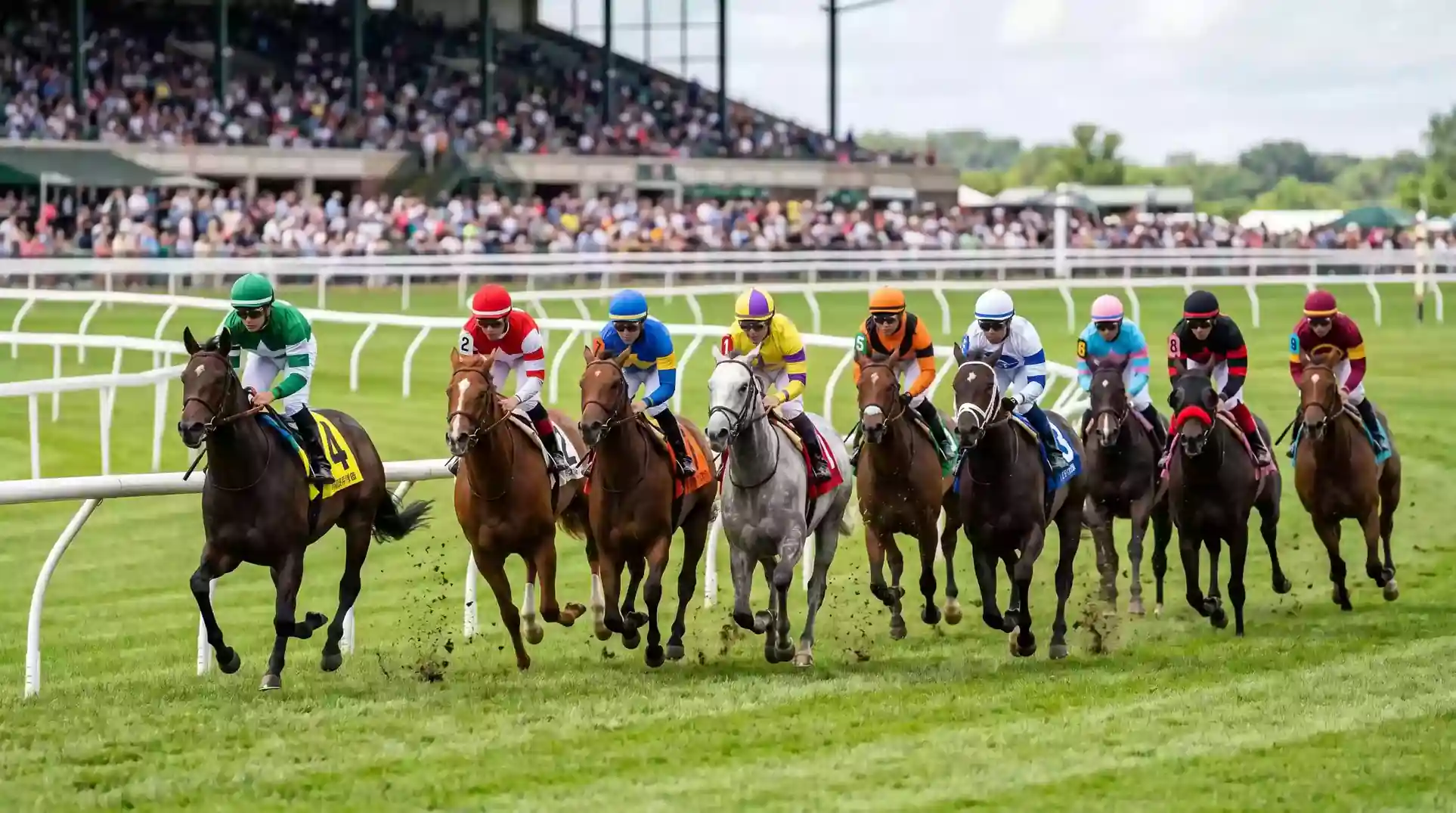
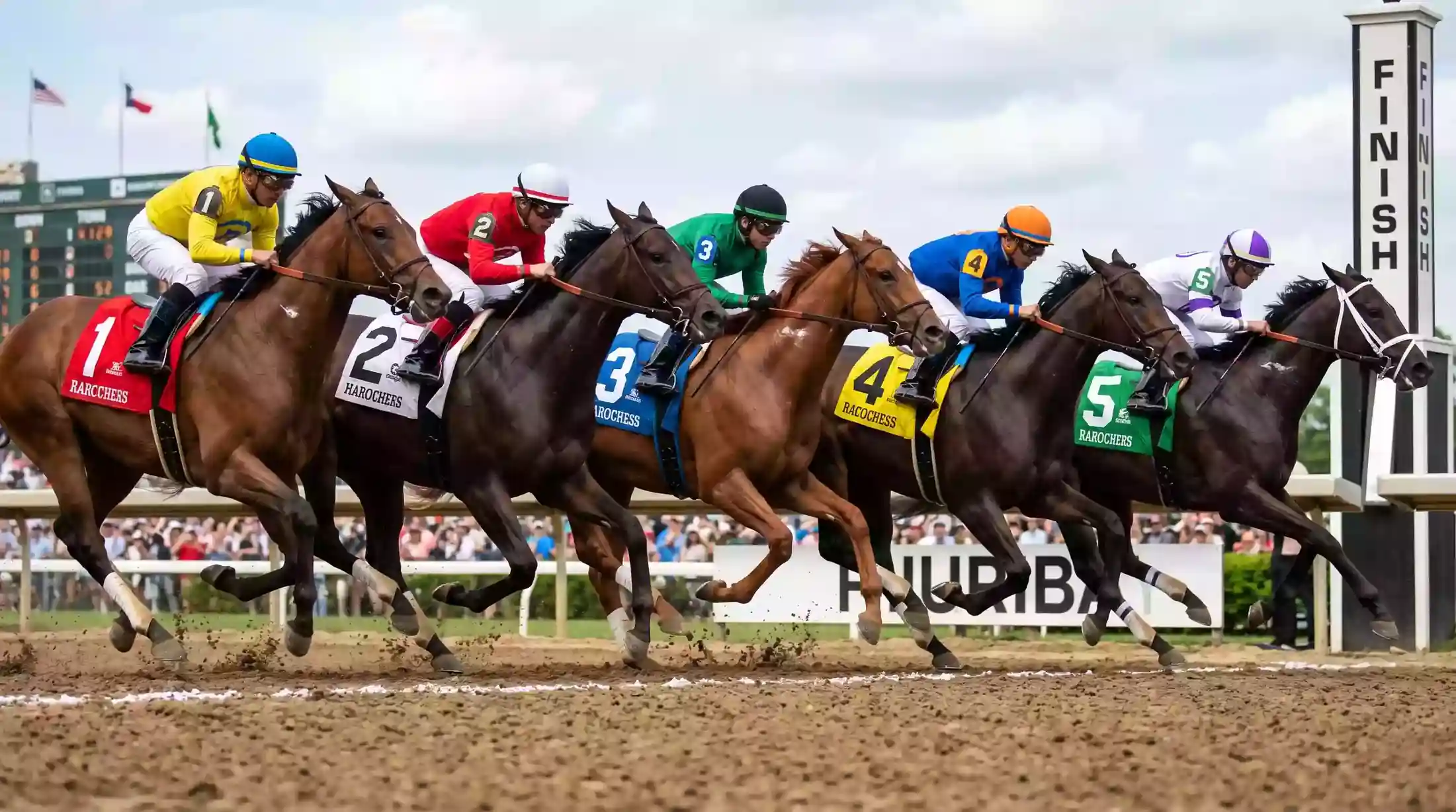
The roar as the first race field thunders past the stands on Champions Day — there’s nothing else in racing quite like Cheltenham Festival. Four days in March where the best of British and Irish jump racing collide, punters lose sleep over ante-post selections, and bookmakers throw promotional money around like confetti.
Peak television viewership hit 1.8 million during a recent Festival — the highest in four years — and betting interest matches that intensity. The combination of high-quality racing and fierce bookmaker competition creates a perfect storm for value-seeking punters. This guide breaks down what Cheltenham offers look like and how to capture the most from jump racing’s greatest week.
Cheltenham Festival Offers Breakdown
March margins at the Festival recently produced particularly bookmaker-friendly results according to industry analysis, which explains why operators love Cheltenham. They’re confident enough in their edge to spend heavily on customer acquisition and retention promotions.
Money-back specials dominate Festival marketing. Your horse finishes second to the favourite — money back as a free bet. Your selection falls at the last while leading — stake returned. The specific triggers vary by bookmaker and race, but the principle is consistent: conditional refunds that soften losing outcomes.
Best Odds Guaranteed runs throughout the Festival, covering all UK and Irish races. Take a morning price on a Champion Hurdle contender and receive SP if it shortens — with no downside if it drifts. For a meeting where market moves are dramatic and information asymmetries exist, BOG protection is particularly valuable.
Extra places extend each-way coverage on handicaps with large fields. The Coral Cup, County Hurdle, and Martin Pipe Conditional regularly attract 20+ runners; extra place promotions paying six or seven positions instead of four meaningfully improve each-way prospects.
Ante-post specials include Non-Runner No Bet until declarations and enhanced odds on selected contenders. These offers typically concentrate on the championship races — Champion Hurdle, Champion Chase, Stayers’ Hurdle, Gold Cup — where public interest is highest and promotional spend is most effective.
Cheltenham Day-by-Day Betting Guide
Each day has its character. Understanding the rhythm helps with planning and staking across the week.
Tuesday — Champions Day — opens with the Supreme Novices’ Hurdle, the first championship event. The Champion Hurdle anchors the afternoon, drawing huge betting interest. This is the day when ante-post positions crystallise or collapse; morning prices reflect months of market formation, and the first results set the tone for the week.
Wednesday features the Champion Chase, the two-mile championship. Speed specialists dominate, races often finish tightly bunched, and the crowd builds toward mid-week crescendo. The Coral Cup provides handicap betting appeal, with large fields and each-way opportunities.
Thursday — St Patrick’s Day traditionally — centres on the Stayers’ Hurdle for those three-mile specialists. The Turners Novices’ Chase tests the jumping novices over a longer trip. Thursday afternoon can feel slightly calmer between the intensity of Wednesday and Friday’s Gold Cup anticipation.
Friday brings everything to a head with the Cheltenham Gold Cup. Three and a quarter miles, the ultimate test of a staying chaser, the race that defines careers. Betting activity peaks across the industry. The Martin Pipe Conditional offers one final handicap opportunity before the week concludes.
Best Bookmakers for Cheltenham 2026
Festival week reveals where bookmakers genuinely invest versus where they merely participate. Some operators treat Cheltenham as their flagship promotional event; others offer minimal extras and rely on volume alone.
Racing-focused bookmakers typically deliver strongest Festival coverage. Their audience expects Cheltenham excellence; failing to deliver costs them core customers. Check which bookmakers emphasise racing in their year-round marketing — those operators usually extend that emphasis during Festival week.
Historical offers provide directional guidance. Bookmakers who paid extra places on every Festival handicap last year probably will again. Those offering money-back on all races finishing second to the favourite maintain that position. Patterns persist even as specific terms evolve.
New customer offers intensify during the Festival. If you’ve been meaning to open accounts with additional bookmakers, Cheltenham week often features the year’s most generous welcome promotions. Spread your activity across multiple operators to capture different promotional angles.
Cheltenham Betting Strategy Tips
Ante-post markets for Cheltenham open months ahead, offering the best prices but requiring nerve. Non-runner risk is real — horses aimed at the Festival often have demanding preparation campaigns that can go wrong. NRNB offers protection but at shorter prices; standard ante-post terms require accepting volatility.
Irish raiders historically outperform expectations. The crossover between UK and Irish racing means form lines sometimes confuse the market; a dominant Irish novice might be underestimated by UK-focused punters who haven’t seen them run. Studying both racing jurisdictions provides edge.
Ground conditions shape the Festival more than most meetings. Cheltenham’s drainage and weather exposure mean going varies significantly from race to race, sometimes within the same afternoon. Horses with ground preferences can see their chances shift dramatically based on conditions — factor this into your timing of bets and selections.
Pace analysis matters in championship races. The Champion Chase often rewards front-runners who can dictate tempo. The Gold Cup demands horses who can settle, conserve energy, and produce a sustained challenge up the hill. Understanding how races are likely to be run — and which horses suit those scenarios — adds a layer of insight beyond raw form figures.
The handicaps offer different value propositions. Less predictable than championship races, they reward punters who can identify horses ahead of the handicapper or suited by likely race dynamics. Each-way betting captures value in these large-field contests, particularly when extra place promotions extend your coverage to six or seven places.
Making the Most of Cheltenham
Cheltenham rewards preparation more than any other week in racing. The punters who profit have studied form across both British and Irish racing, identified value in ante-post markets before the Festival hype inflates prices, and positioned themselves with accounts at multiple bookmakers to capture the best promotions.
Start early. Form opinions on championship race contenders in January and February when prices still reflect uncertainty. Monitor the key trials — the Dublin Racing Festival, the Cotswold Chase, the Kingwell Hurdle — for confirmation or revision of your views. Then, when Festival week arrives and offers go live, execute your plan with conviction.
The week itself is intense. Twenty-eight races across four days, each carrying stakes and emotional investment. Pace yourself. The punters who burn out by Wednesday afternoon, chasing losses from early disappointments, miss the Gold Cup with empty bankrolls and exhausted judgment. Stay patient, trust your preparation, and remember that Cheltenham comes around every year.
Cheltenham Festival Questions
When does Cheltenham Festival 2026 take place?
The Festival runs over four days in March, typically the second or third week. Exact dates are confirmed by the racecourse months in advance. Racing begins Tuesday through Friday, with the Gold Cup always on the final day.
Which race has the best betting offers at Cheltenham?
The Gold Cup attracts the richest promotional coverage given its status as the week’s main event. However, handicaps like the Coral Cup and County Hurdle often feature the most valuable extra place offers due to their large fields and each-way appeal.
Prepared by the bet for Horse Racing editorial staff.