Going Ground Types Racing: Understanding Track Conditions
 Available in US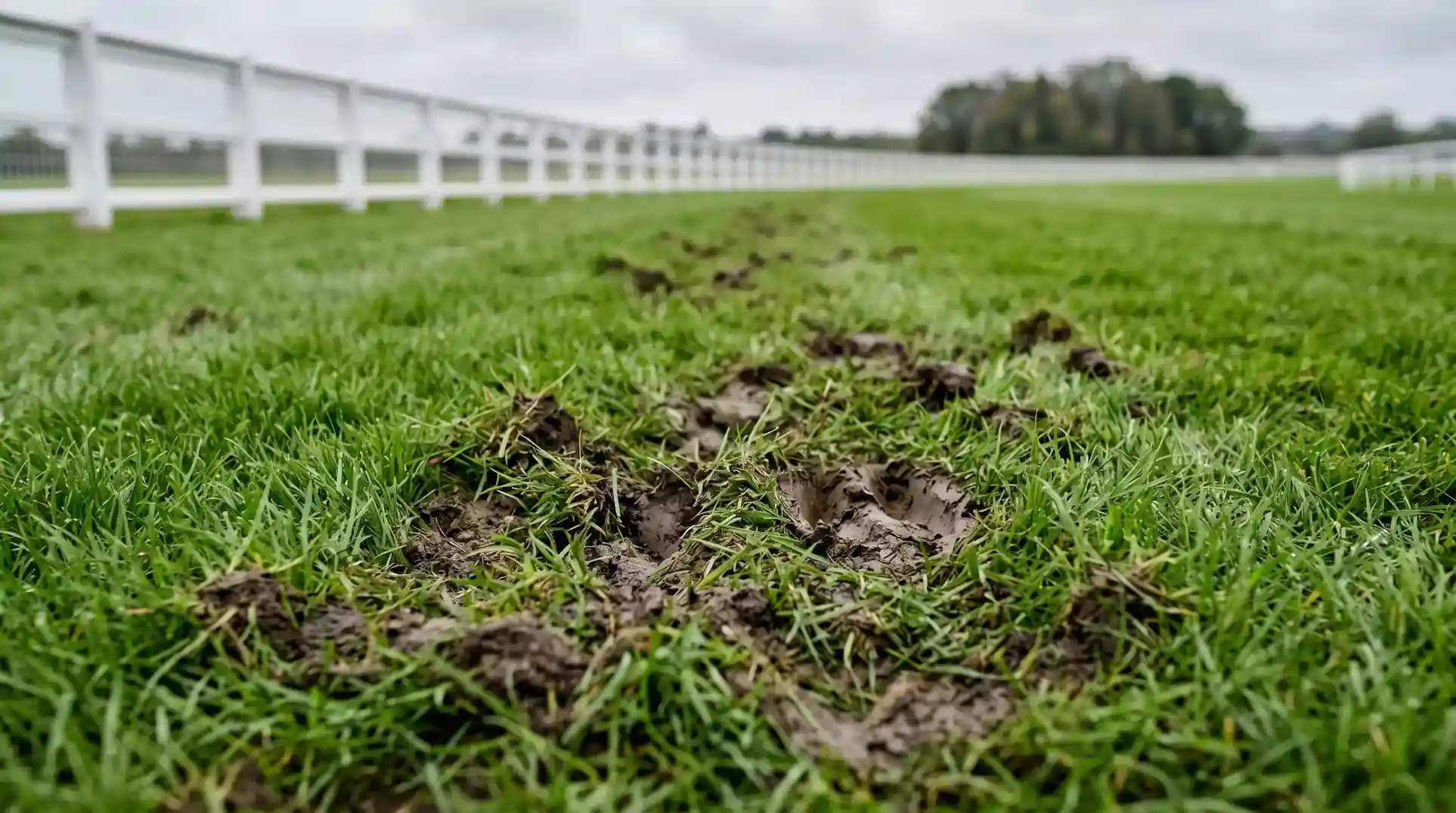
I once backed a horse who’d won three times on soft ground when the course announced “good to firm.” It finished tailed off, never travelling with any fluency. The selection was solid on ability; the ground analysis was nonexistent. That costly lesson taught me what experienced punters know instinctively: going preferences aren’t minor details but fundamental to race outcome.
Ground conditions affect horse performance more dramatically than most casual punters appreciate. Some horses transform on their preferred surface; others become virtually uncompetitive when conditions turn against them. Understanding the going scale, recognising ground preferences, and factoring conditions into selections elevates betting analysis from superficial to substantive.
The Going Scale Explained
British racing uses a standardised scale to describe ground conditions, running from firmest to softest.
Hard ground is the firmest official description, rarely seen in British racing due to welfare concerns. Running on genuinely hard ground increases injury risk; courses typically water or abandon when conditions reach this extreme. Some summer flat tracks approach hard during dry spells.
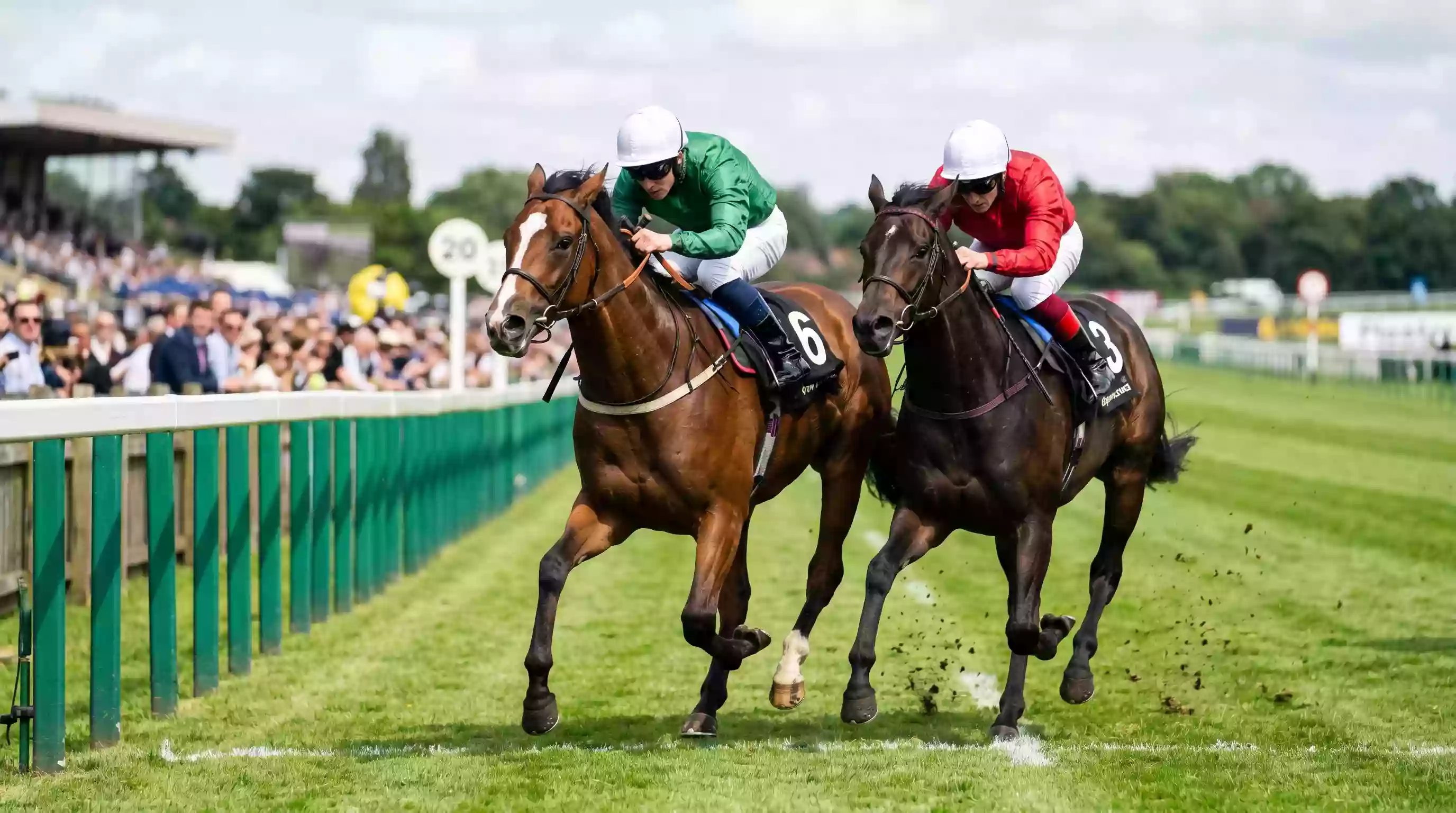
Firm ground is quick, favouring speed horses and those with efficient, ground-covering actions. It appears during dry summer periods on turf and characterises well-maintained all-weather surfaces. Joint stress is higher than on softer ground; horses with any leg concerns often avoid firm conditions.
Good to firm represents ideal summer racing conditions — quick enough to favour quality but with sufficient give to protect soundness. Many horses show versatility across this range. Flat racing’s peak summer months often see good to firm descriptions.
Good ground is the neutral reference point — neither particularly quick nor testing. Horses without strong ground preferences often perform consistently on good. It appears year-round depending on weather patterns and course maintenance.
Good to soft introduces some give, slowing times and requiring more effort to cover ground. Horses who struggle on quick surfaces often improve as conditions ease into this range. Autumn and spring regularly produce good to soft going.
Soft ground tests stamina significantly. The surface gives underfoot, demanding more energy per stride. Horses bred for stamina and those with powerful, round actions often excel; quick, flat-actioned types typically struggle. Winter jumping often features soft ground.
Heavy ground is the most testing official description, appearing after sustained rainfall. Only confirmed mudlarks thrive; fields often thin as trainers withdraw horses unsuited to the conditions. Times slow dramatically, and attrition increases as horses tire through the surface.
Identifying Ground Preferences
UK racecourse attendance crossed 5 million recently, but many racegoers overlook the going stick readings and official descriptions displayed around courses. That information directly affects which horses are advantaged or disadvantaged.
Form figures without ground context tell incomplete stories. A horse showing 1123 looks solid until you note all four runs came on soft ground — today’s good to firm might produce a dramatically different outcome. Always check what conditions prevailed when horses achieved their form.
Breeding provides clues about ground preferences. Certain sires consistently produce progeny suited to particular conditions — some stamp their offspring as soft-ground specialists; others as quick-ground performers. Dam-side influences matter too, though sire patterns are more easily identified from public data.
Action visible in the paddock sometimes indicates ground requirements. Horses who move with high, round knee action often handle soft better than those with low, daisy-cutting movements. This isn’t foolproof but adds information when assessing unfamiliar horses.
Trainer comments occasionally reveal ground preferences directly. Post-race interviews where connections mention waiting for softer or quicker conditions provide explicit guidance. Tracking these comments builds a database of preferences beyond what form figures show.
Ground and Betting Strategy
Ground shifts create betting opportunities. When conditions change between declaration time and race time, some horses become better prospects while others face unexpected disadvantages. Quick reactions to going updates can capture value before markets fully adjust.
Monitor official going reports and stick readings. Courses publish going information on their websites and social media; bookmakers display current conditions prominently. Changes from declared going to racetime going happen frequently, particularly during unsettled weather.
Rain during racing days transforms conditions race by race. The opening contest might run on good ground; by the seventh race, the same course might be good to soft. Earlier form that day provides live evidence of how horses are handling the surface.
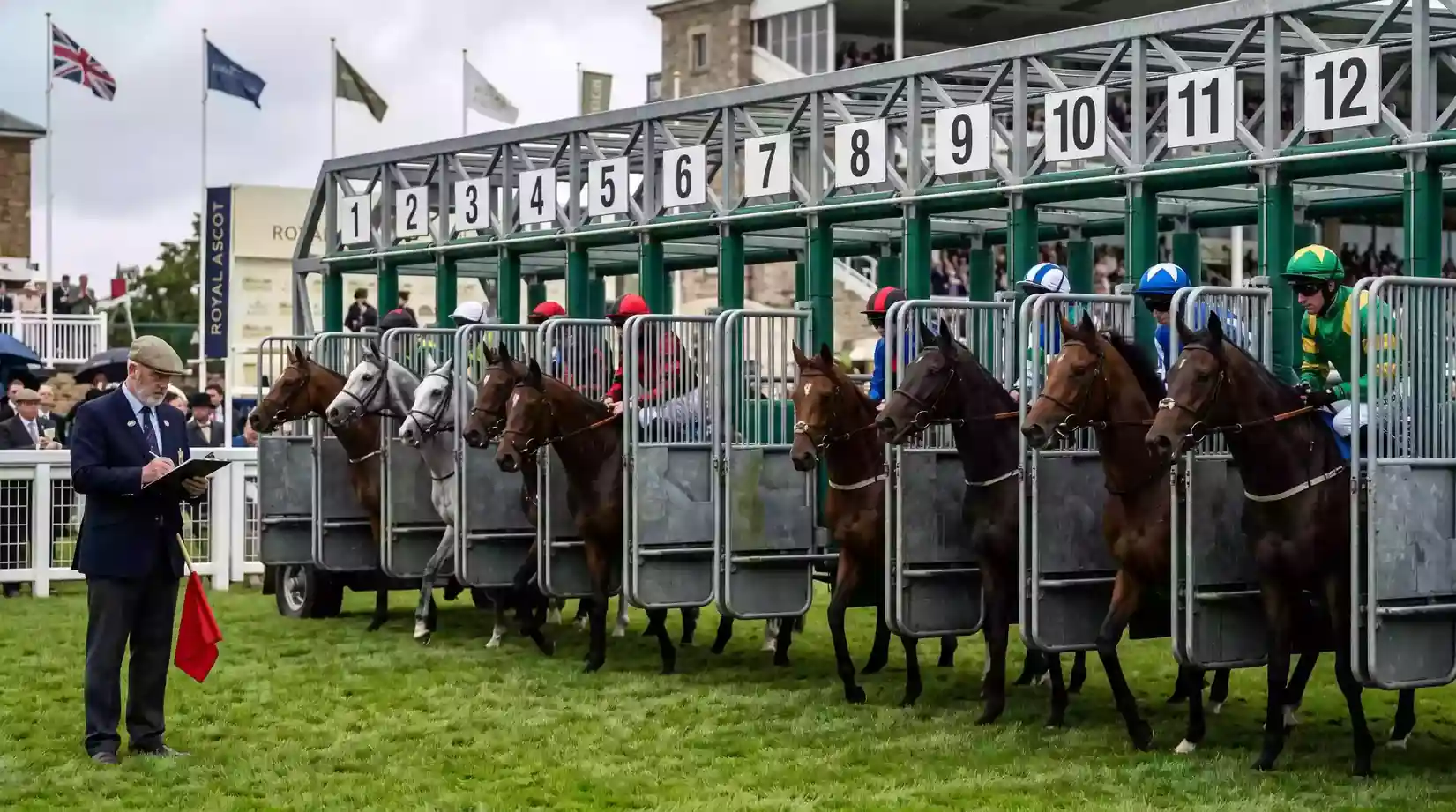
Non-runners due to ground often improve remaining horses’ chances. When three horses in a twelve-runner field withdraw because ground turned against them, the competitive picture changes. Surviving runners with ground preferences in their favour face weakened opposition.
Ante-post betting carries ground risk. A horse you backed months ago for a Festival target might face unsuitable conditions on the day. Some punters hedge positions when forecasts suggest unfavourable ground; others accept the risk as inherent to ante-post value. Your approach depends on whether avoiding the race entirely if conditions turn hostile is possible.
All-weather racing eliminates ground uncertainty for those who find it frustrating. The artificial surfaces at Kempton, Lingfield, Wolverhampton, Newcastle, Southwell, and Chelmsford produce consistent racing regardless of weather. Form translates more reliably; ground-based excuses disappear. Some punters specialise in all-weather precisely because this variable is removed.
Ground as Selection Factor
Ground analysis doesn’t replace form study — it supplements and contextualises it. A horse’s previous performances mean more or less depending on how today’s conditions compare to those historical runs. Integrating ground preference into selection process elevates analysis quality.
Some races suit ground-based approaches more than others. Big-field handicaps on extreme going — very soft National Hunt races, quick-ground summer sprints — see confirmed ground specialists outperform expectations. Championship races on typical conditions reward quality more than ground affinity.
The goal is recognising when ground significantly affects a horse’s winning chances and adjusting assessments accordingly. A horse whose form suggests 10/1 might be 6/1 value on its favoured surface or 20/1 against when conditions turn hostile. That ground-adjusted view often differs from market prices, creating the edge value betting requires.
Build going analysis into your standard routine. Check conditions before studying form. Note what going prevailed for each horse’s previous runs. Identify which horses benefit or suffer from today’s surface before assessing other factors. This systematic approach ensures ground never gets overlooked amid other considerations.
Weather forecasts influence going predictions. Expected rain during the racing day changes conditions progressively; anticipated dry weather might firm up surfaces from morning readings. Factoring likely changes — not just current conditions — adds sophistication to ground-based analysis.
Going Questions
What does good to soft mean in horse racing?
Good to soft describes ground with some give underfoot — slower than good but not testing like soft. It typically appears in autumn, spring, and after moderate rainfall. Horses who struggle on quick ground often improve when conditions ease into the good to soft range.
How do I find a horse’s ground preference?
Check the going description for each previous run in the horse’s form. Patterns emerge across multiple races — consistent good performances on soft with poor efforts on quick ground indicates preference. Breeding analysis and trainer comments supplement this form-based assessment.
Published by the bet for Horse Racing team.